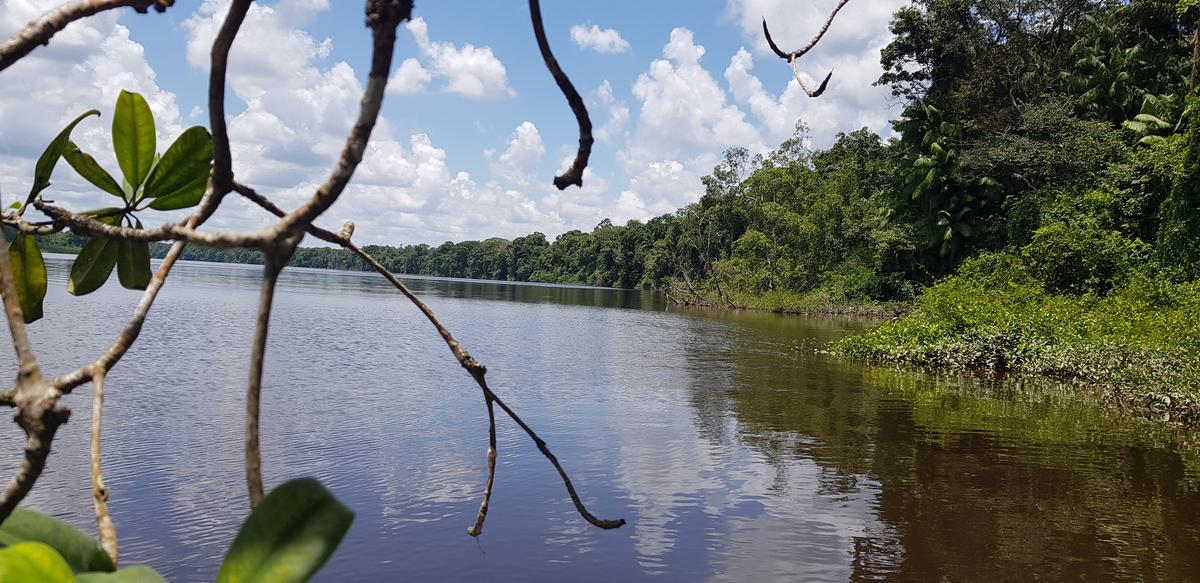
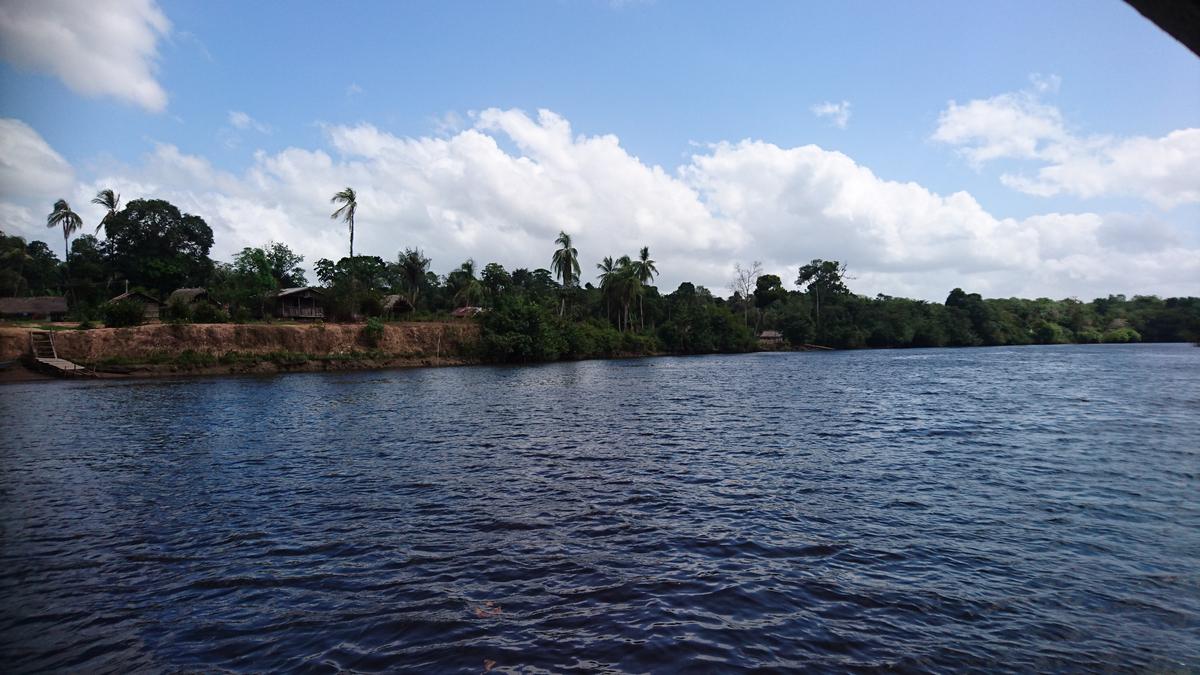
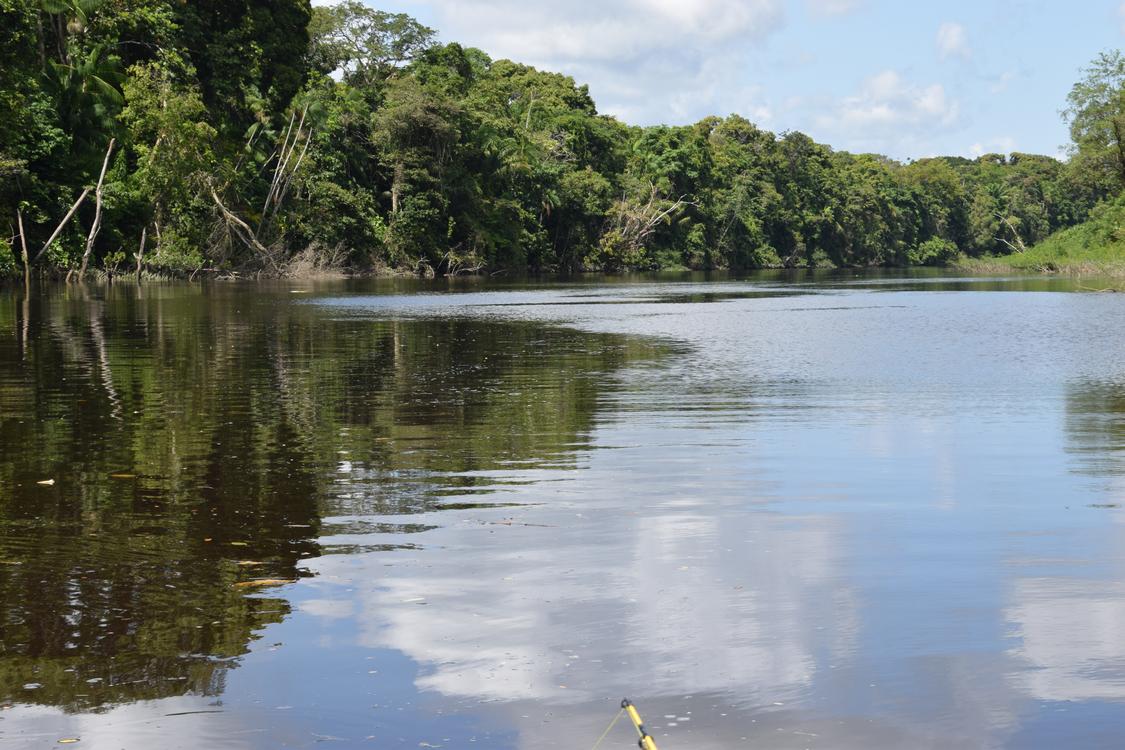
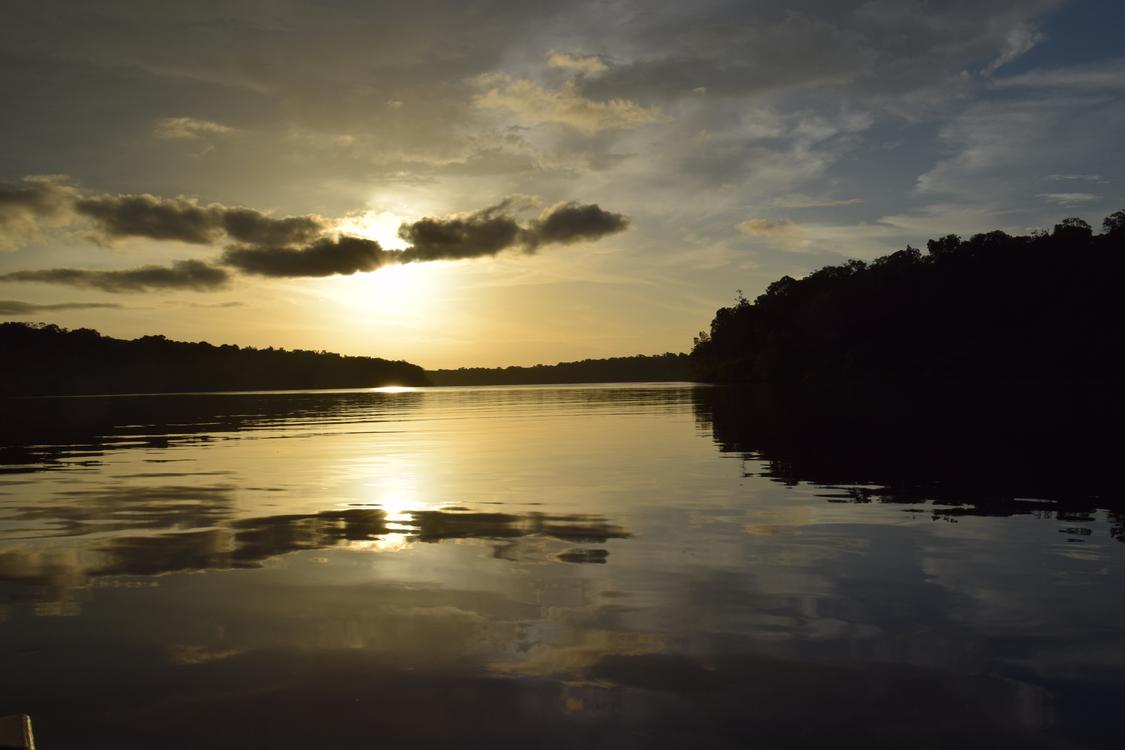
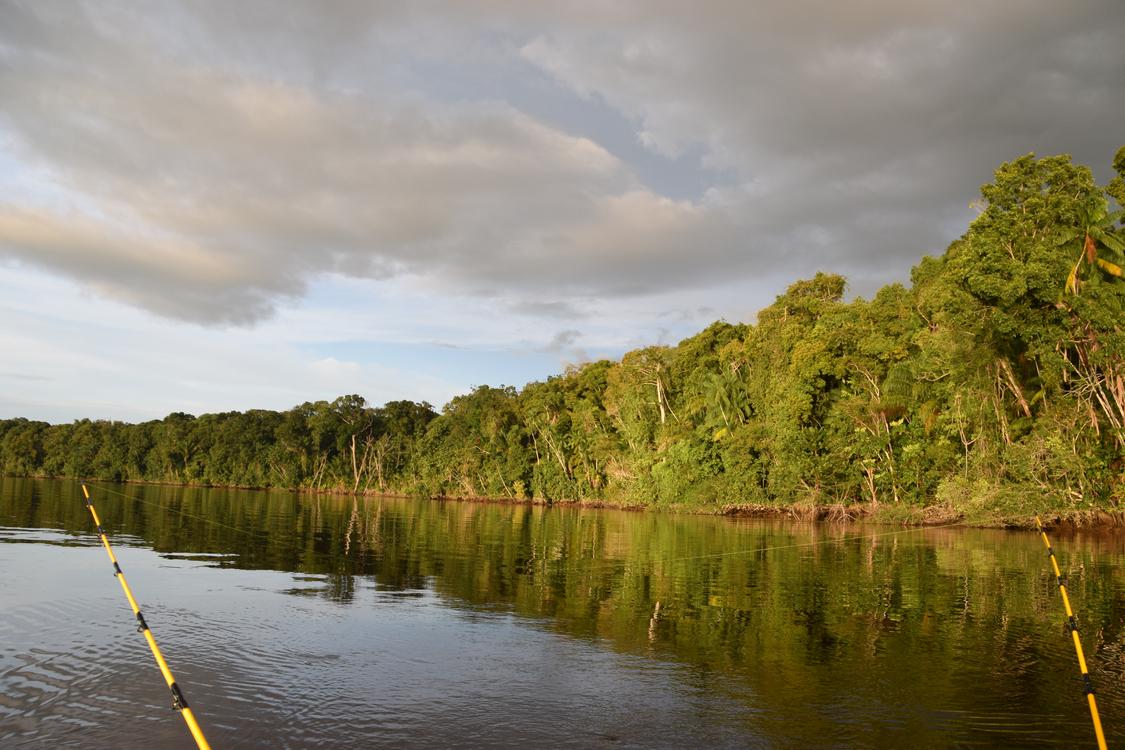
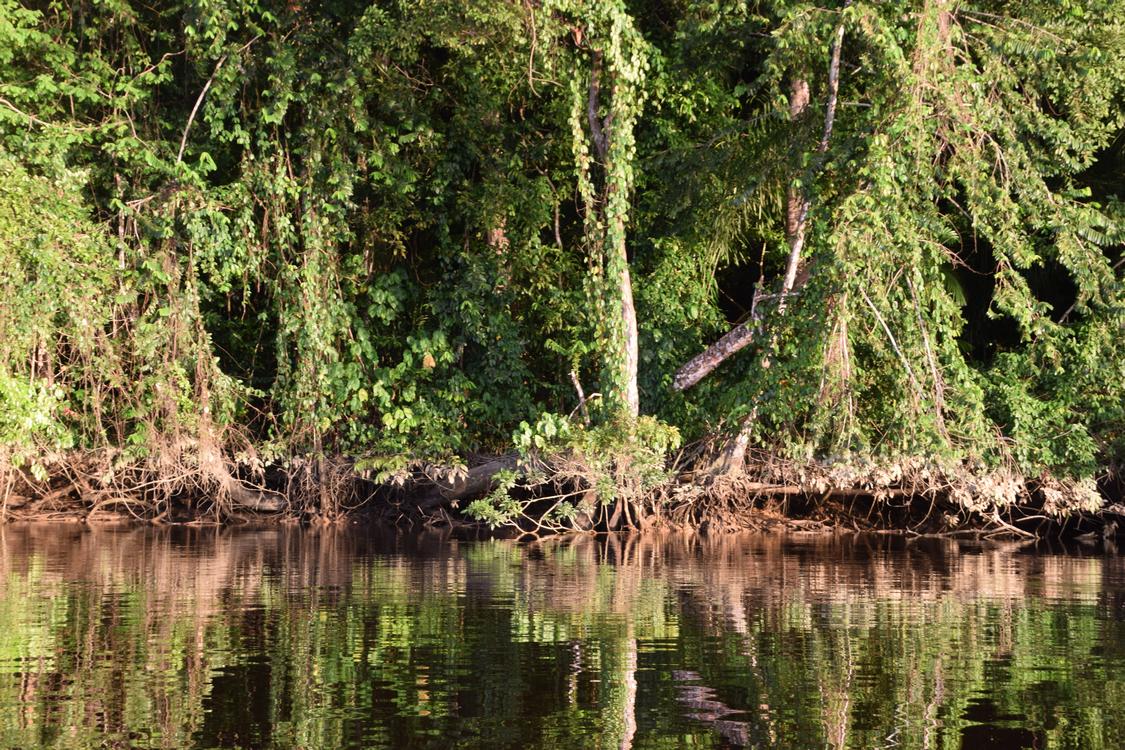
The capital of Suriname is Paramaribo and it is a former colony of the Netherlands. This lasted until 1975 and since then it has been an independent republic. Located in the north eastern part of South America, Suriname is the gateway to the Amazon region. This means a wide variety of flora and fauna. The majority of Suriname, about 90 percent, is covered with jungle. This old forest is part of the largest tropical rainforest on earth, the Amazon, most of which is on Brazilian territory.
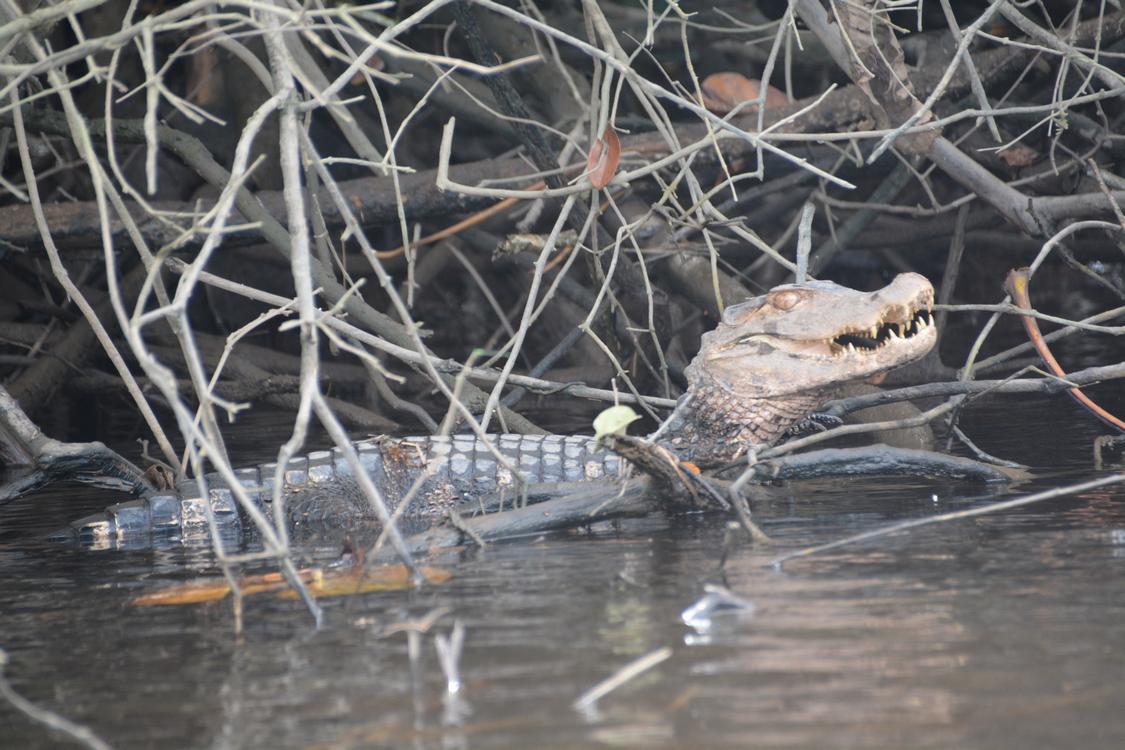
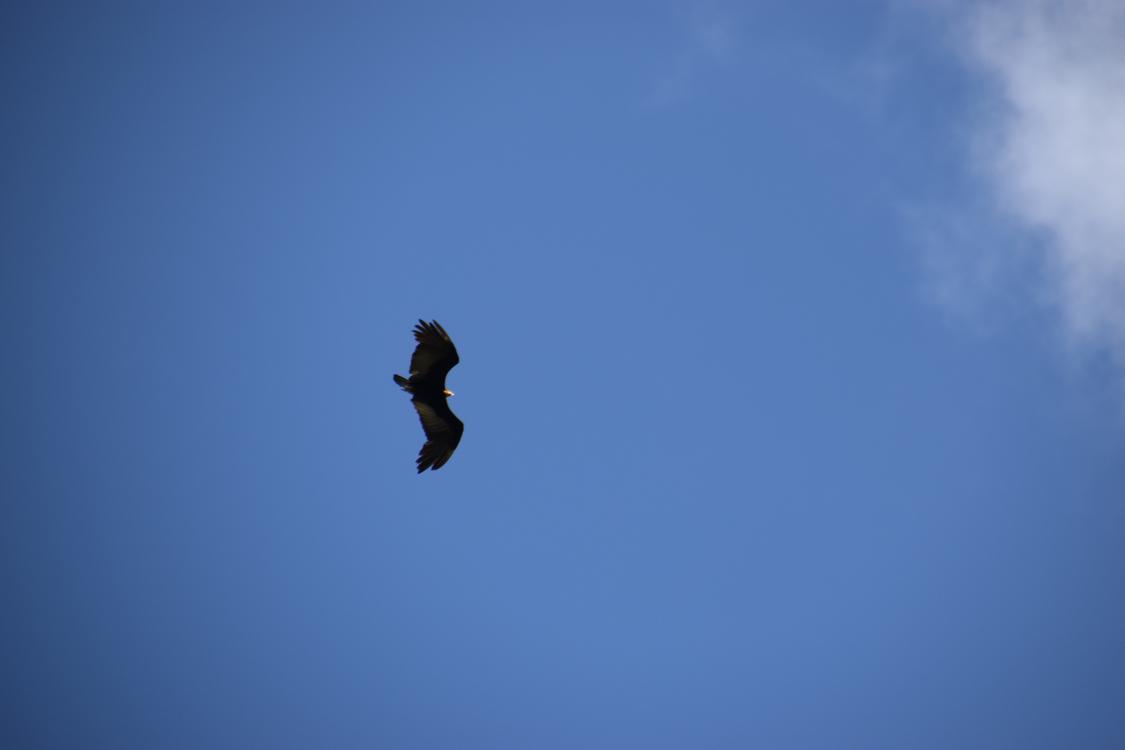
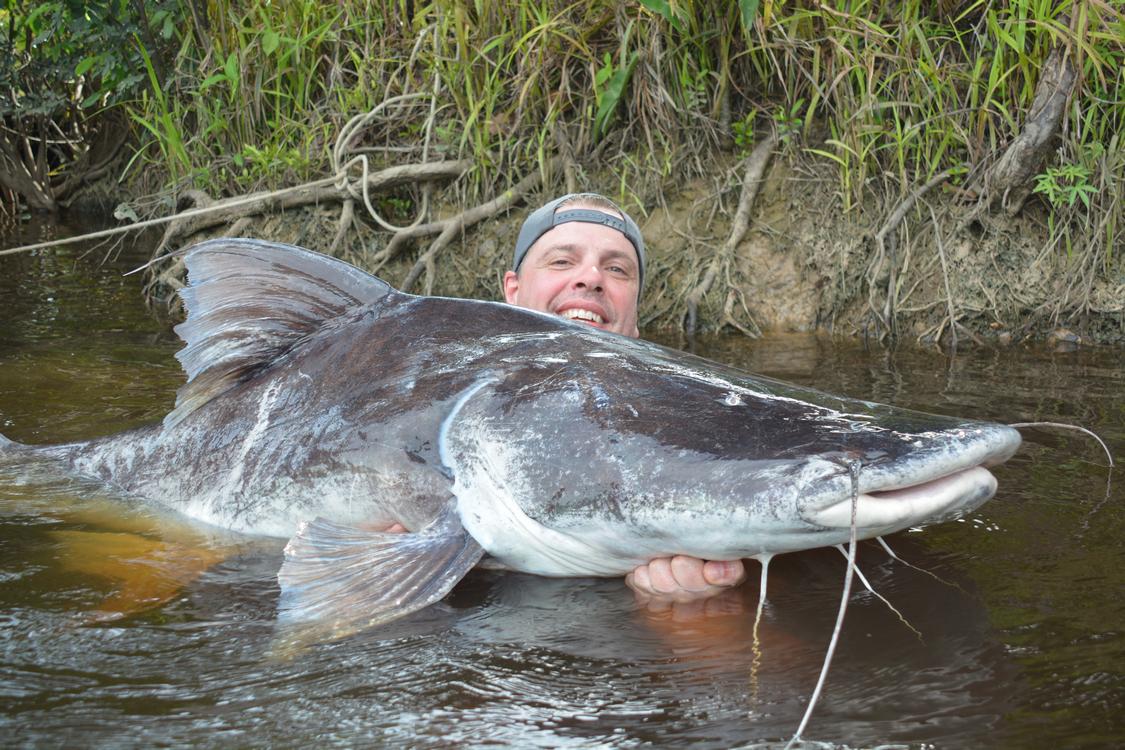
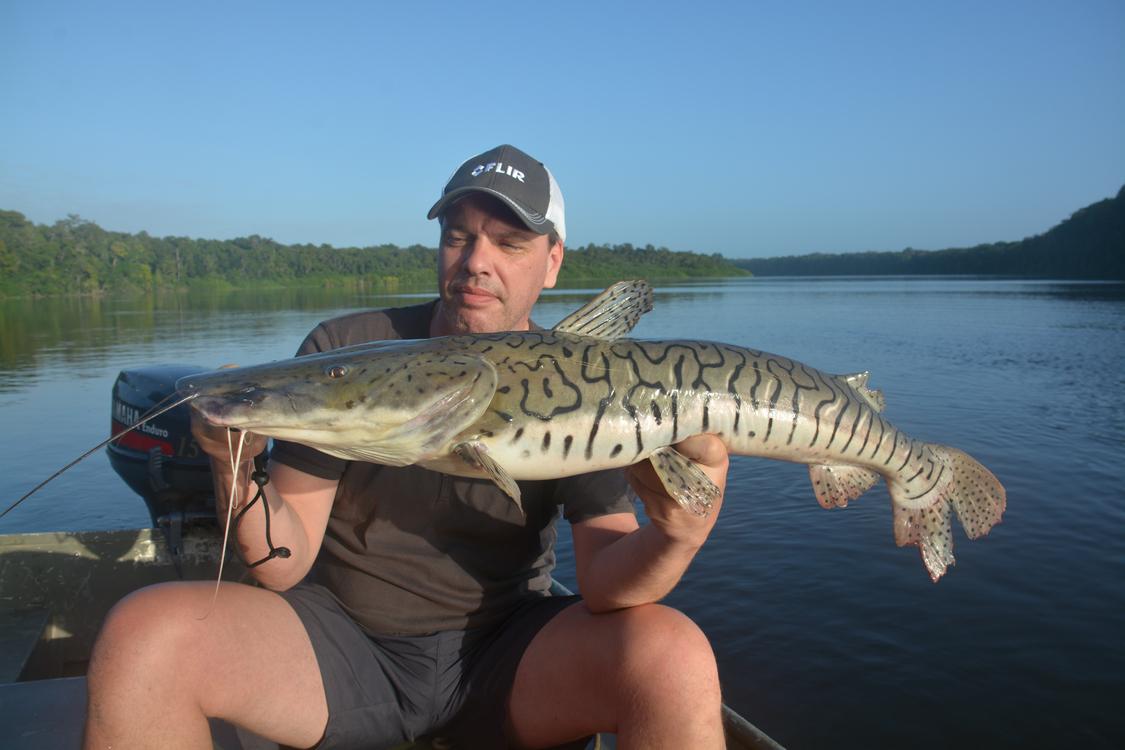
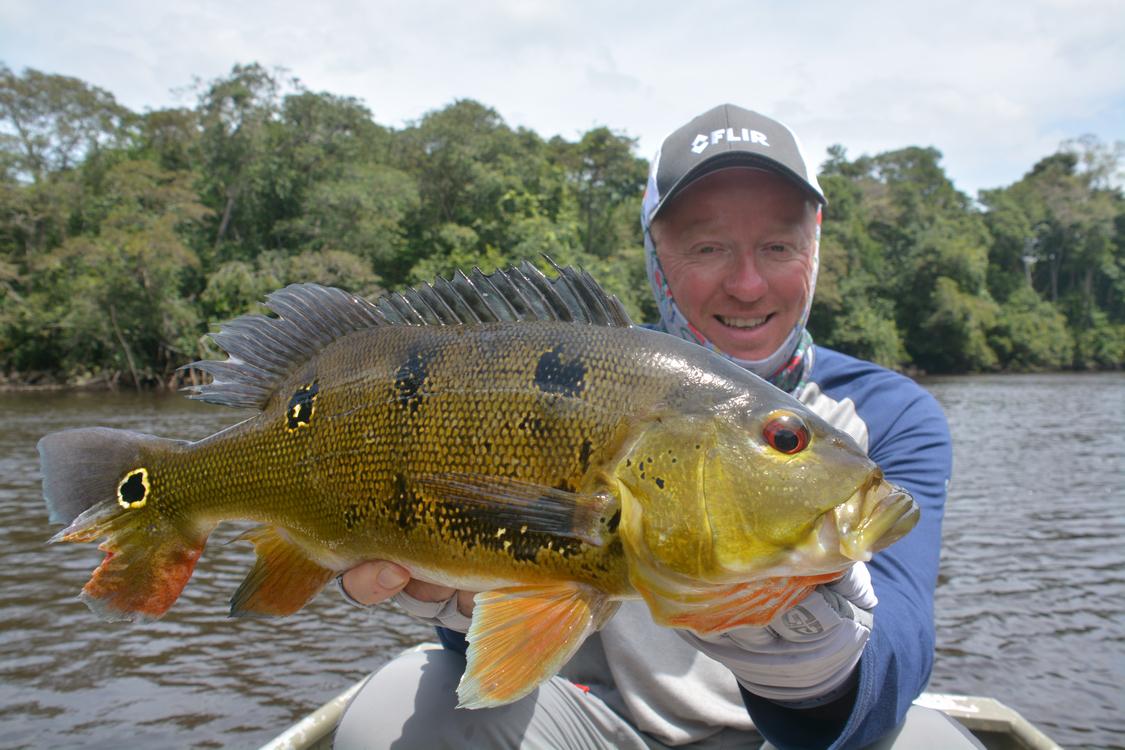
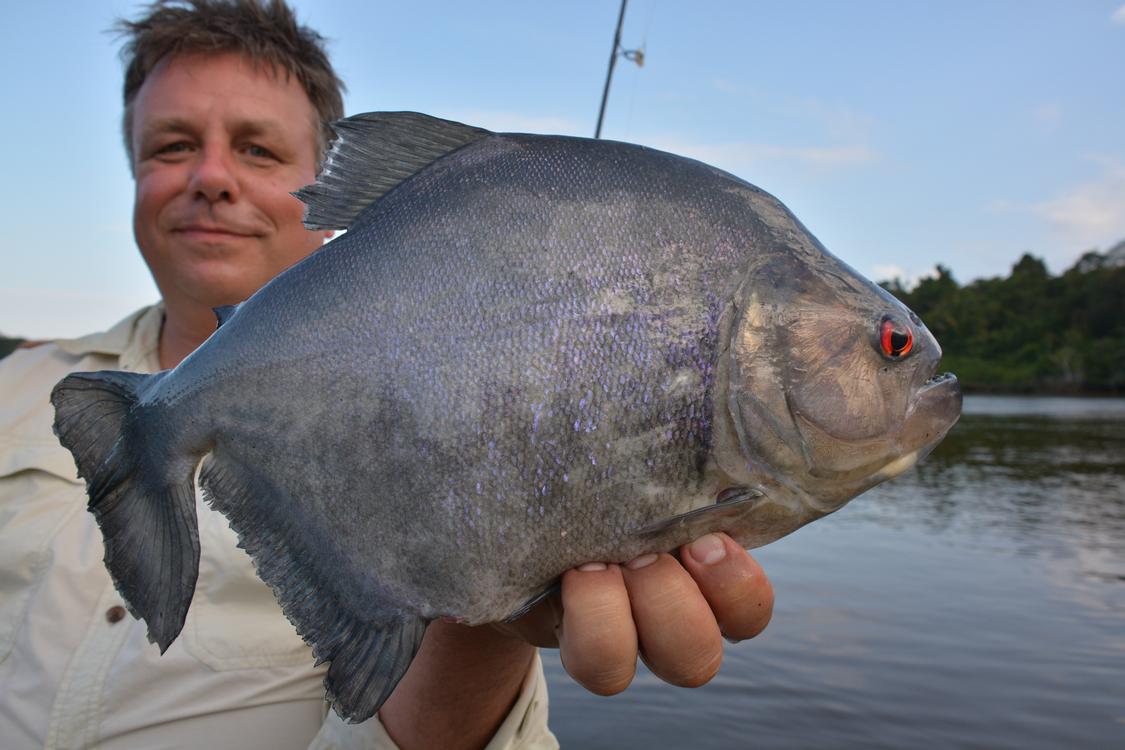
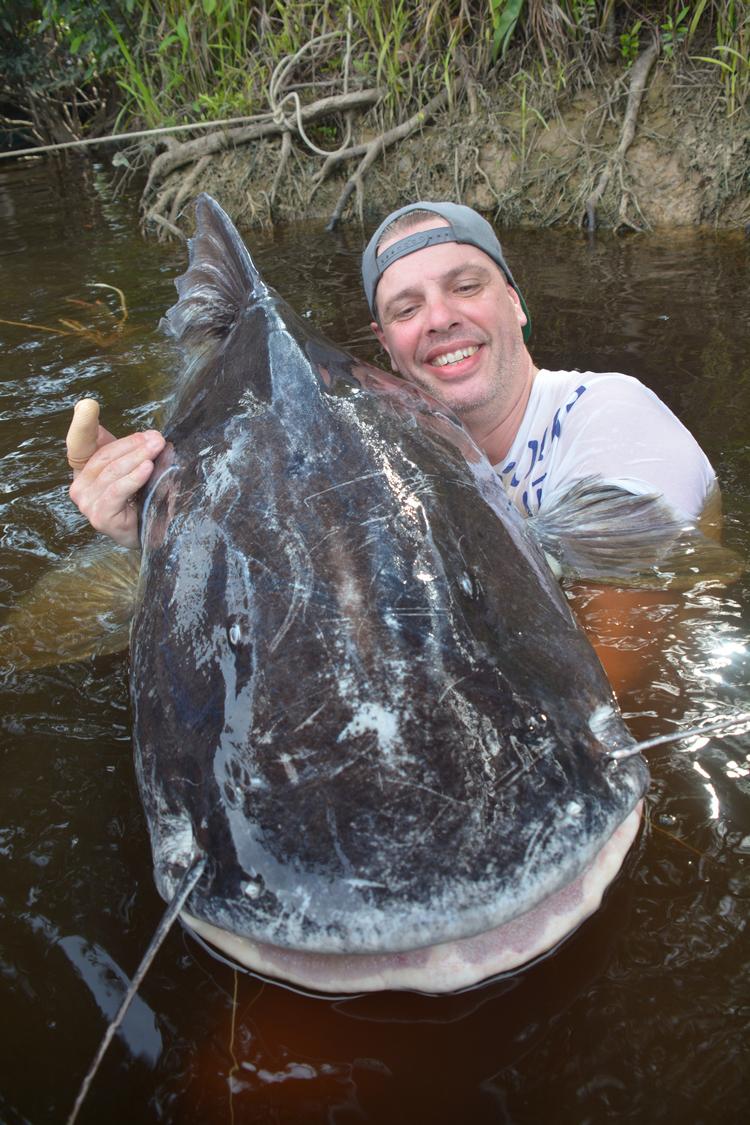
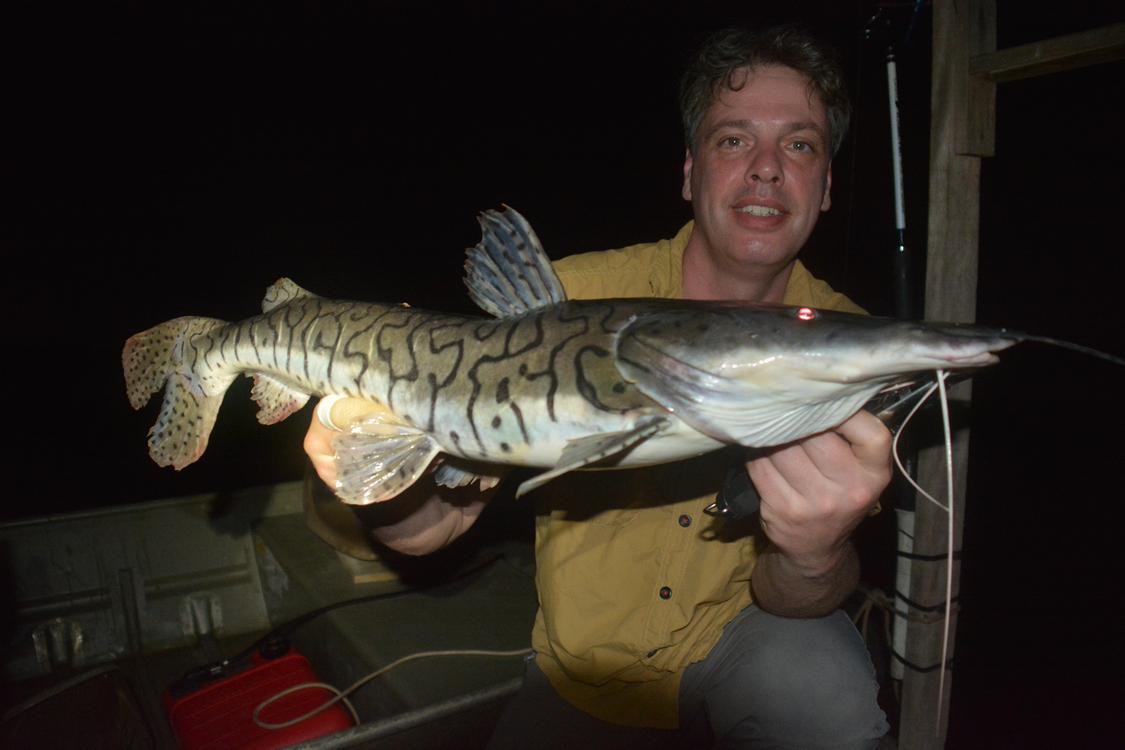
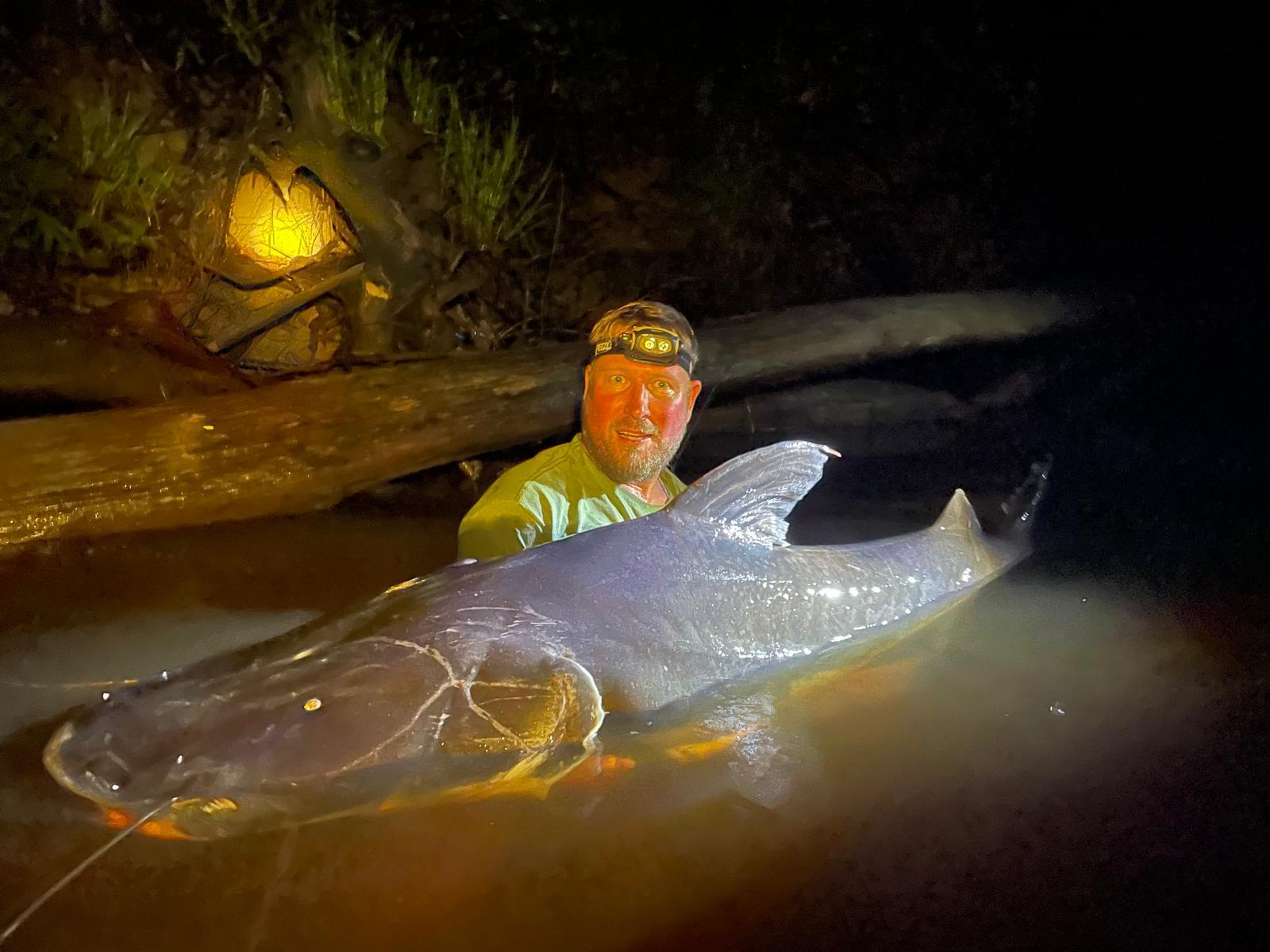
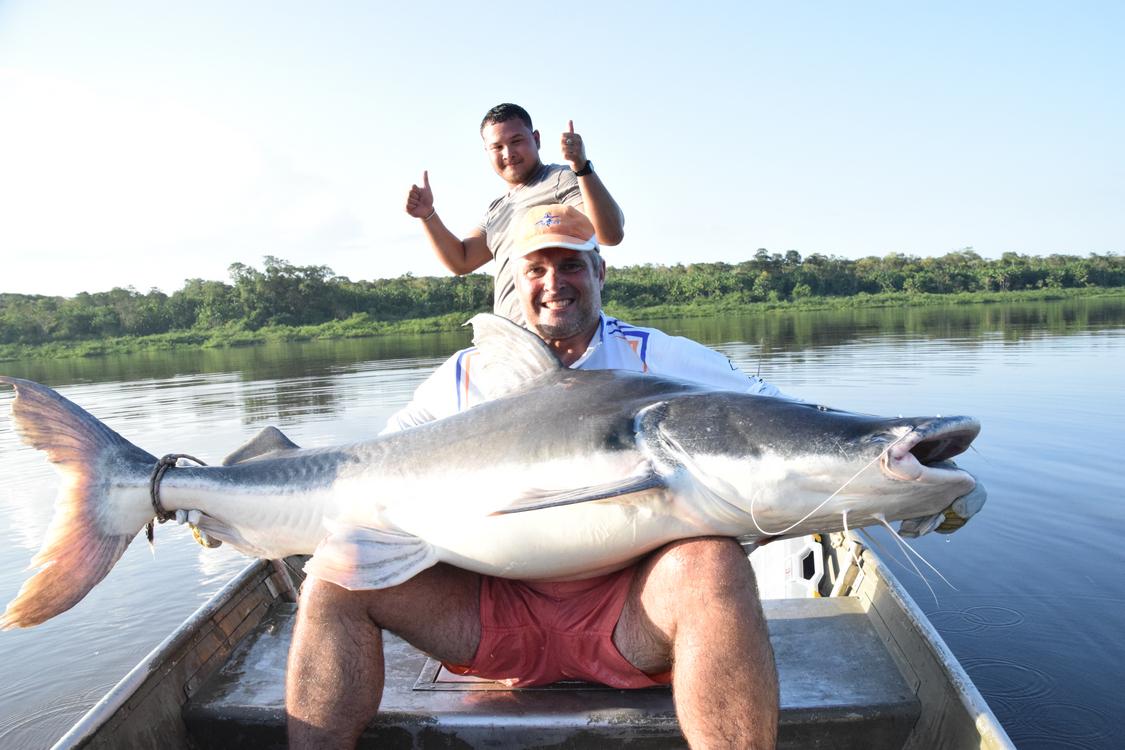
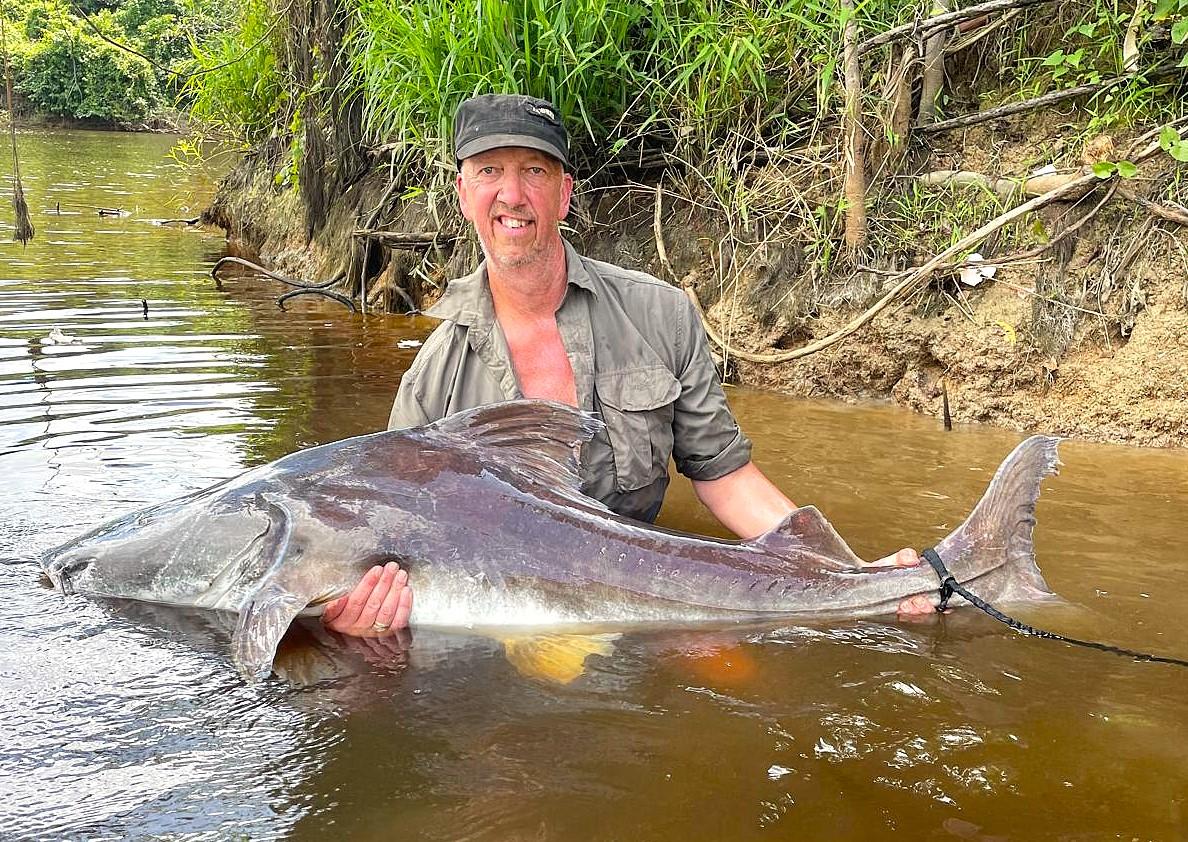
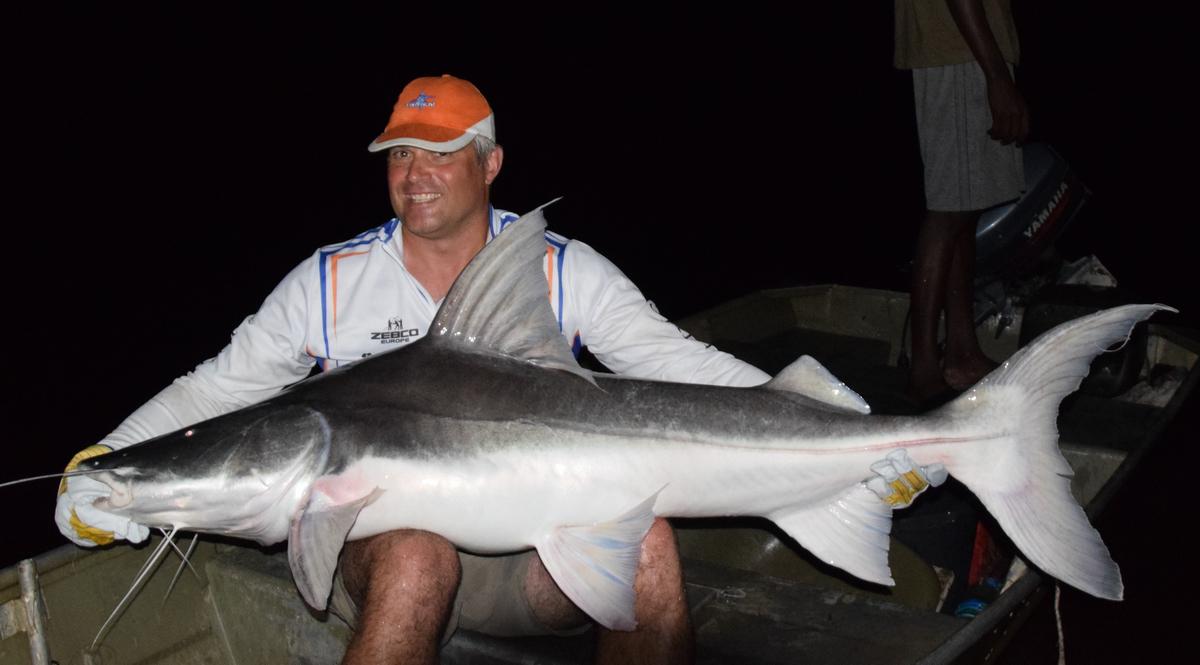
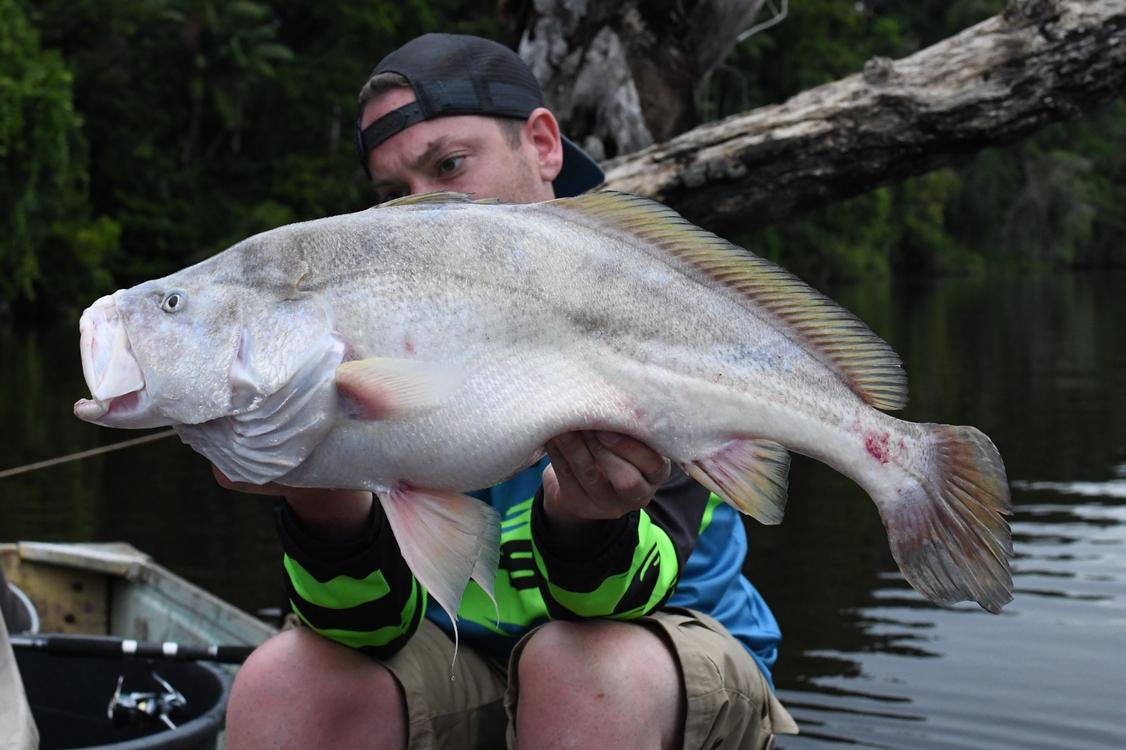
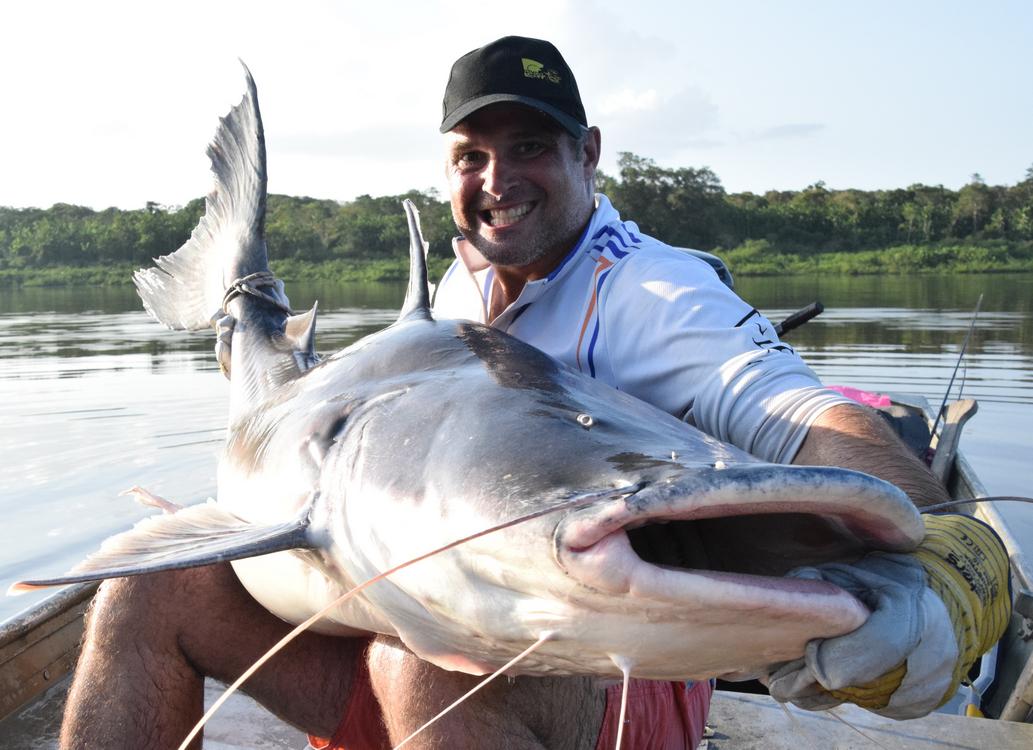
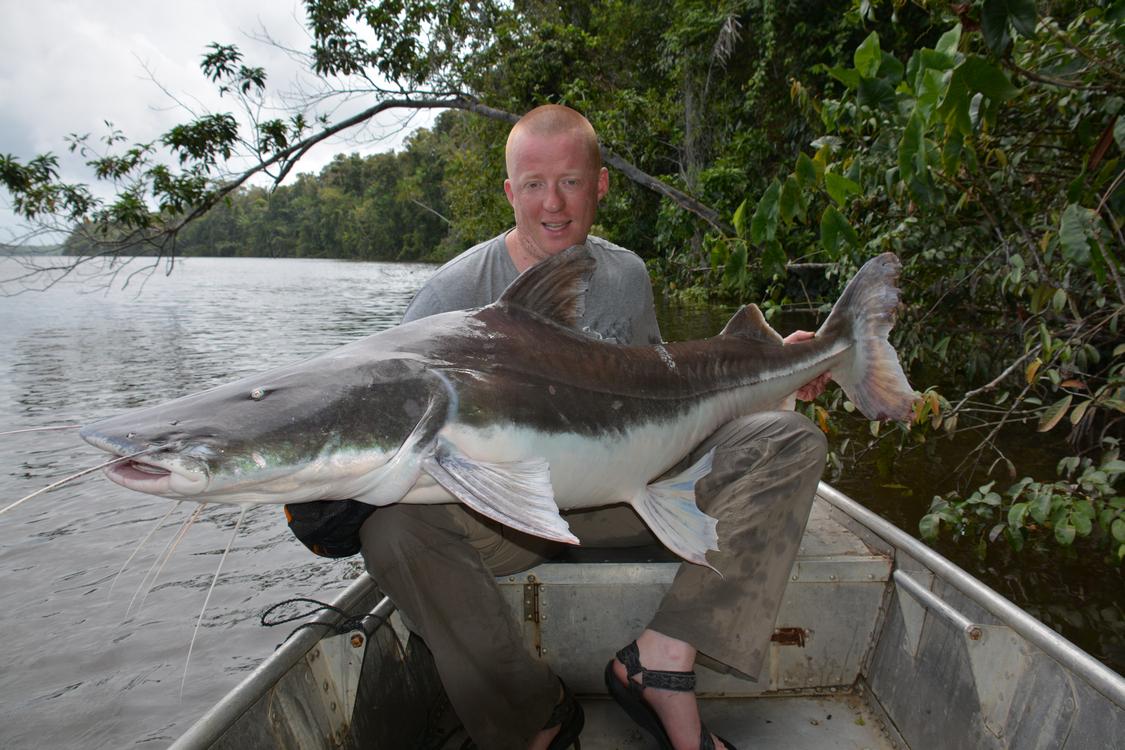
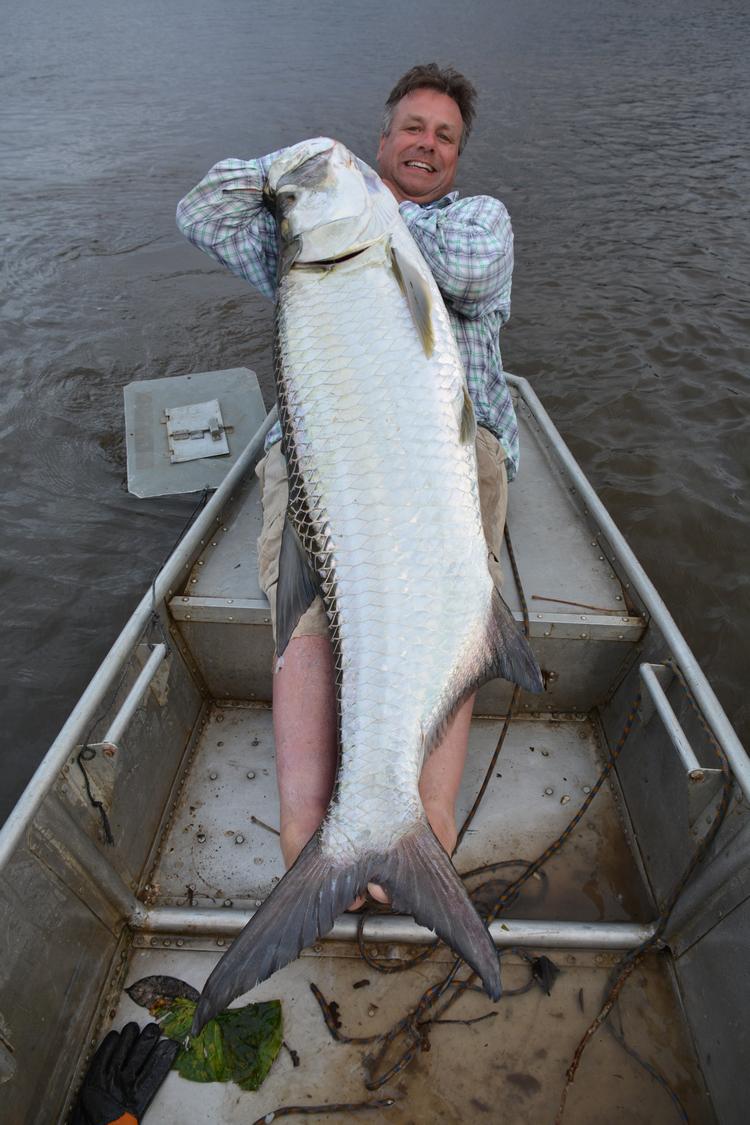
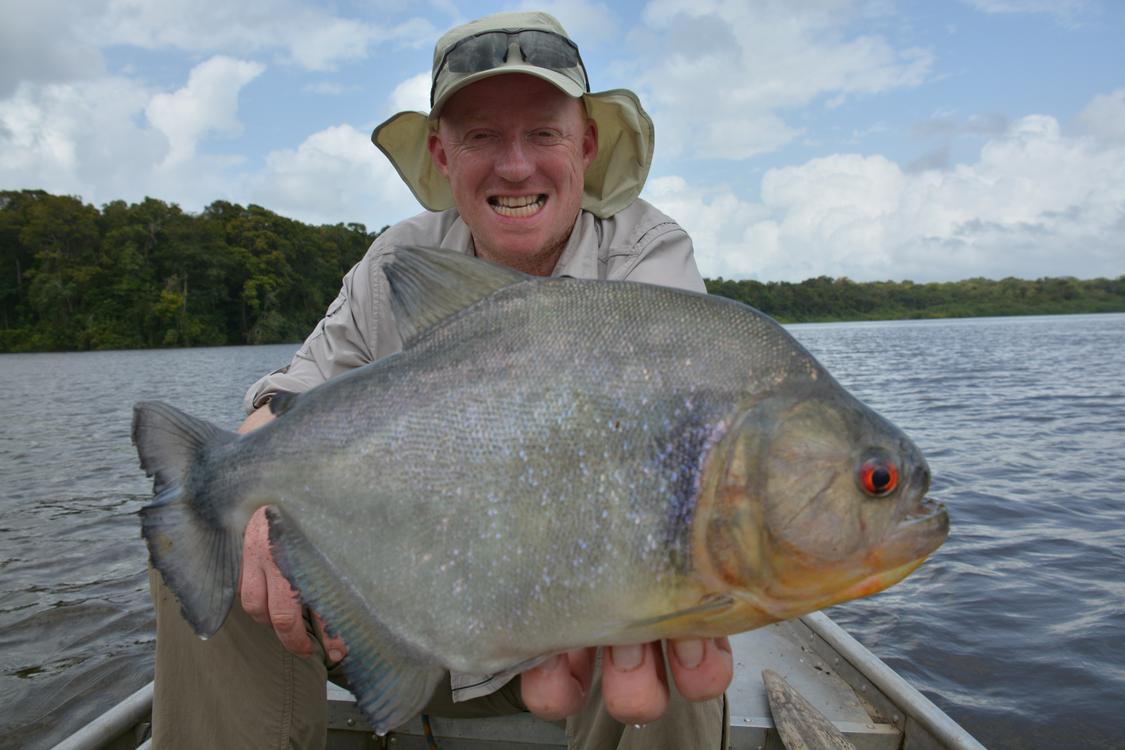
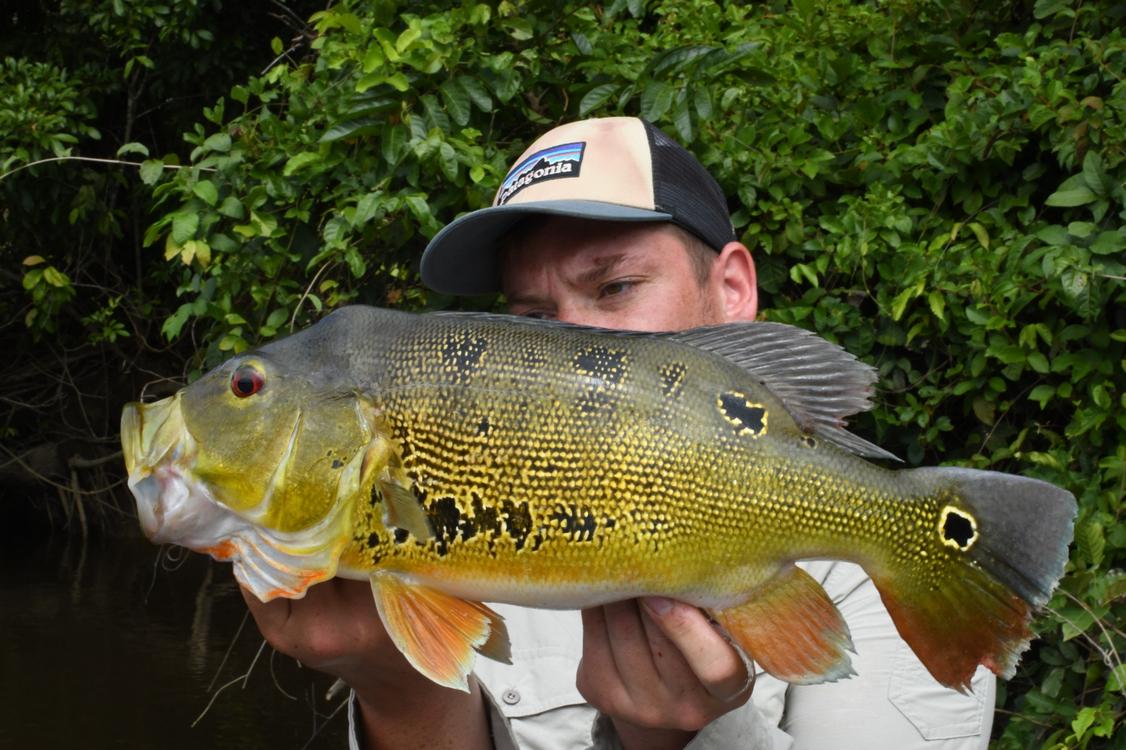
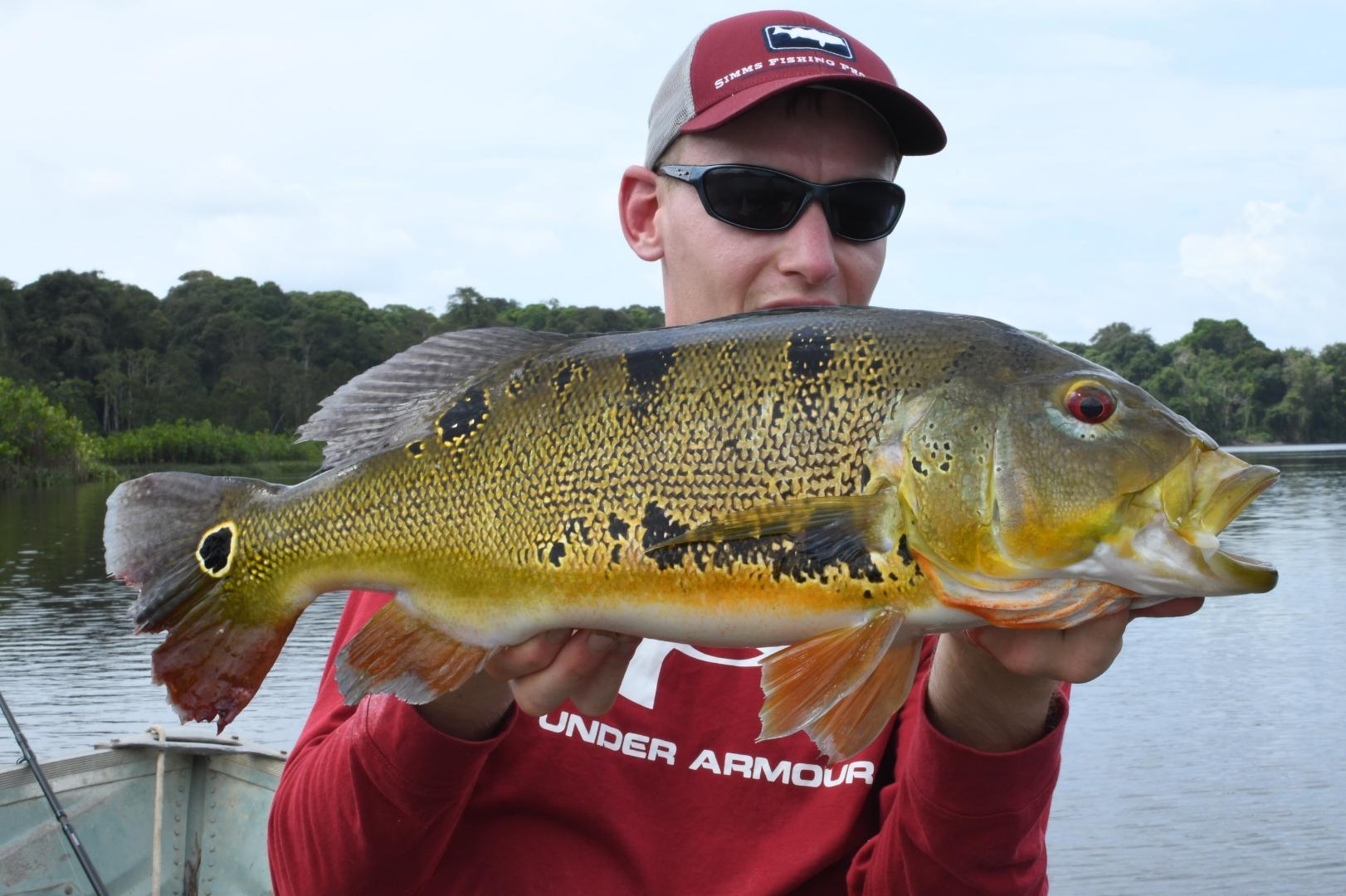
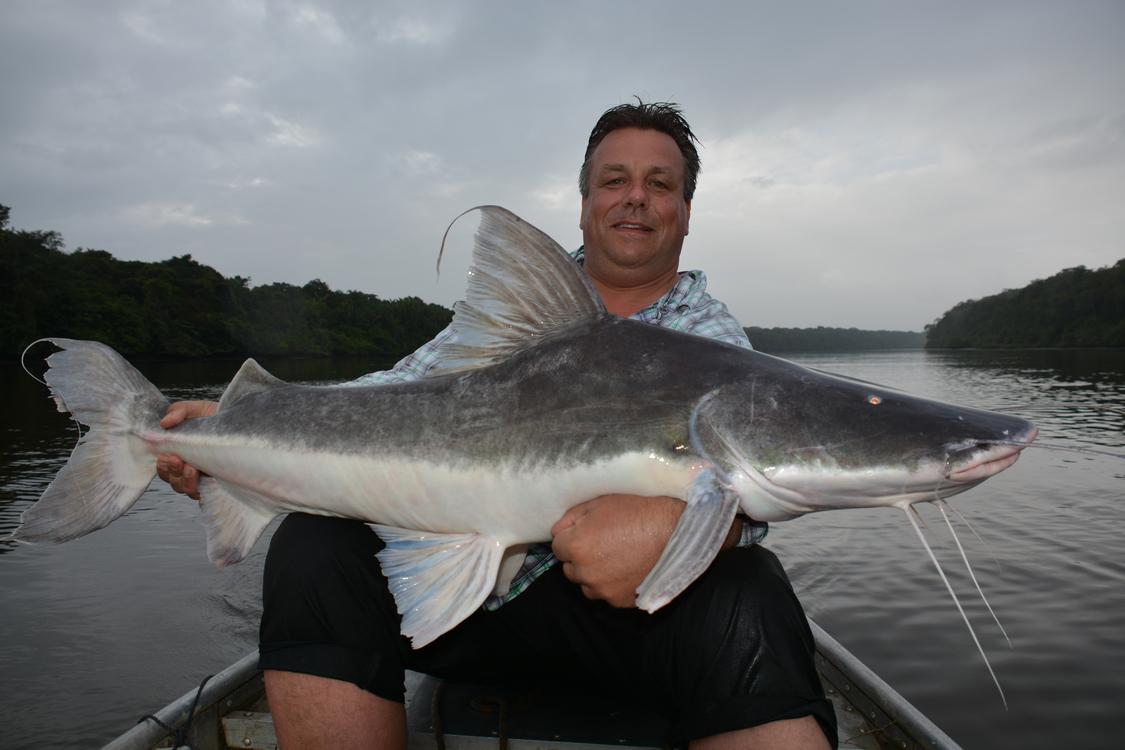
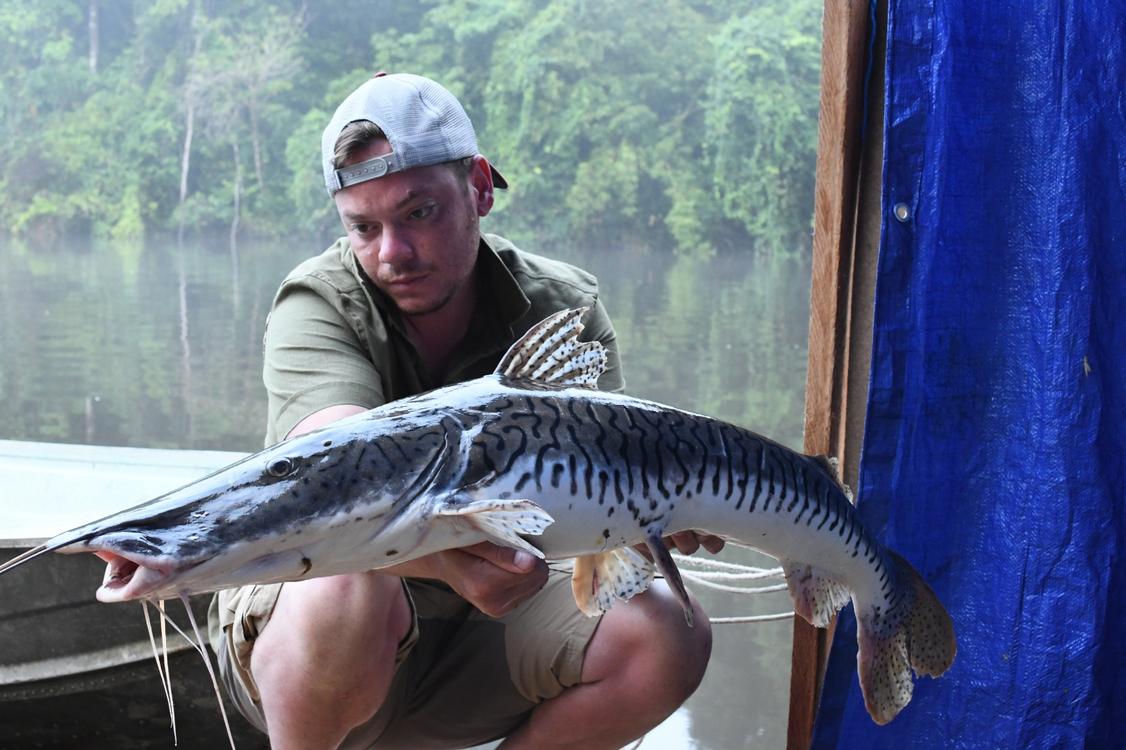
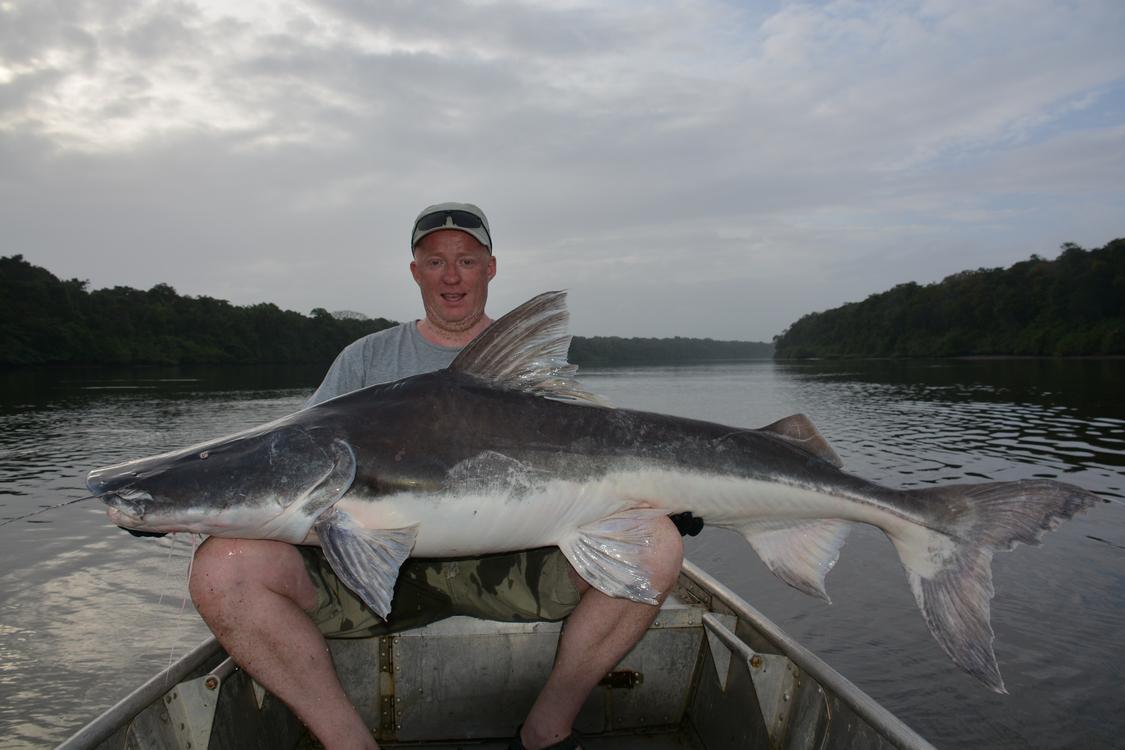
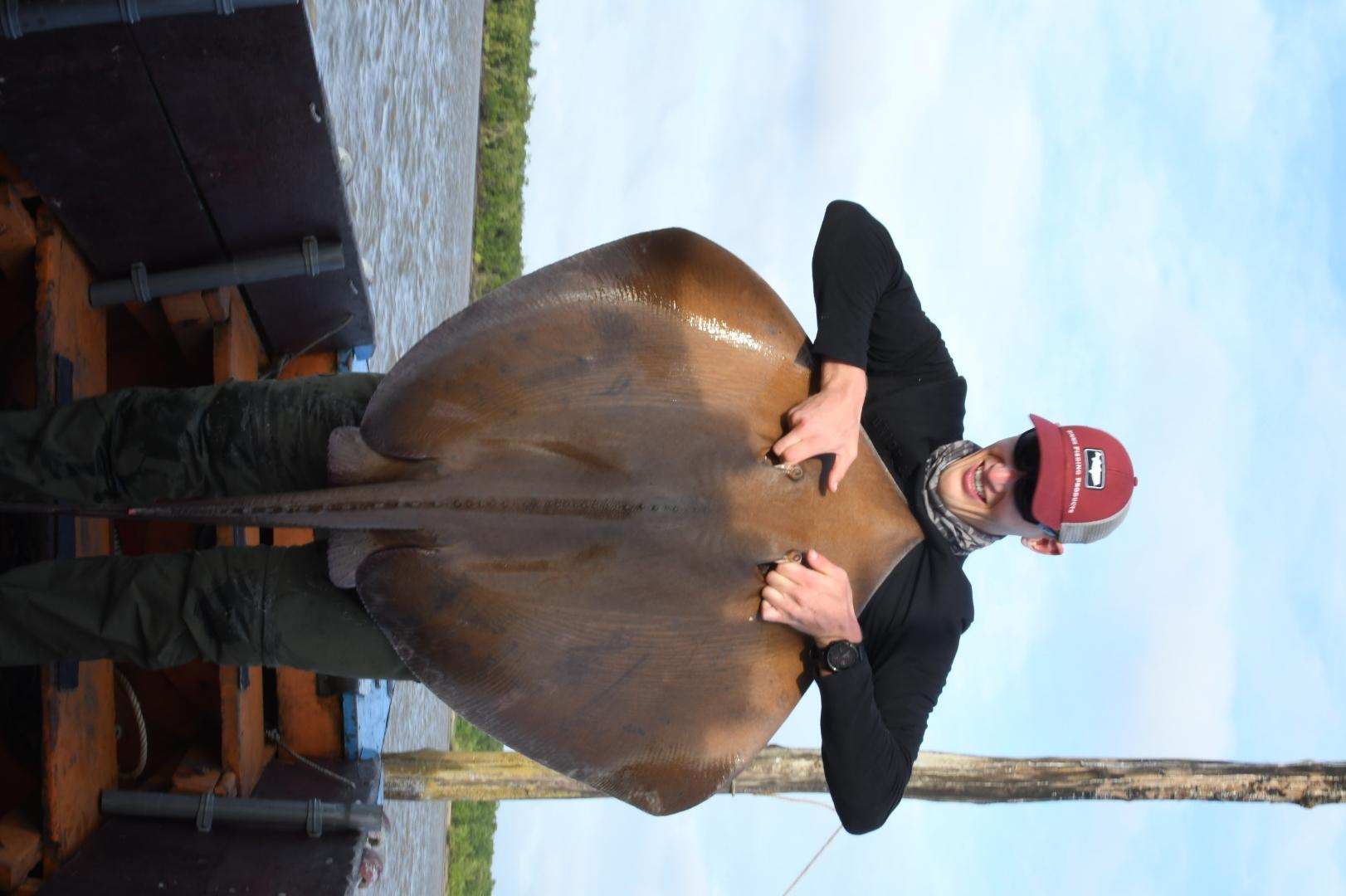
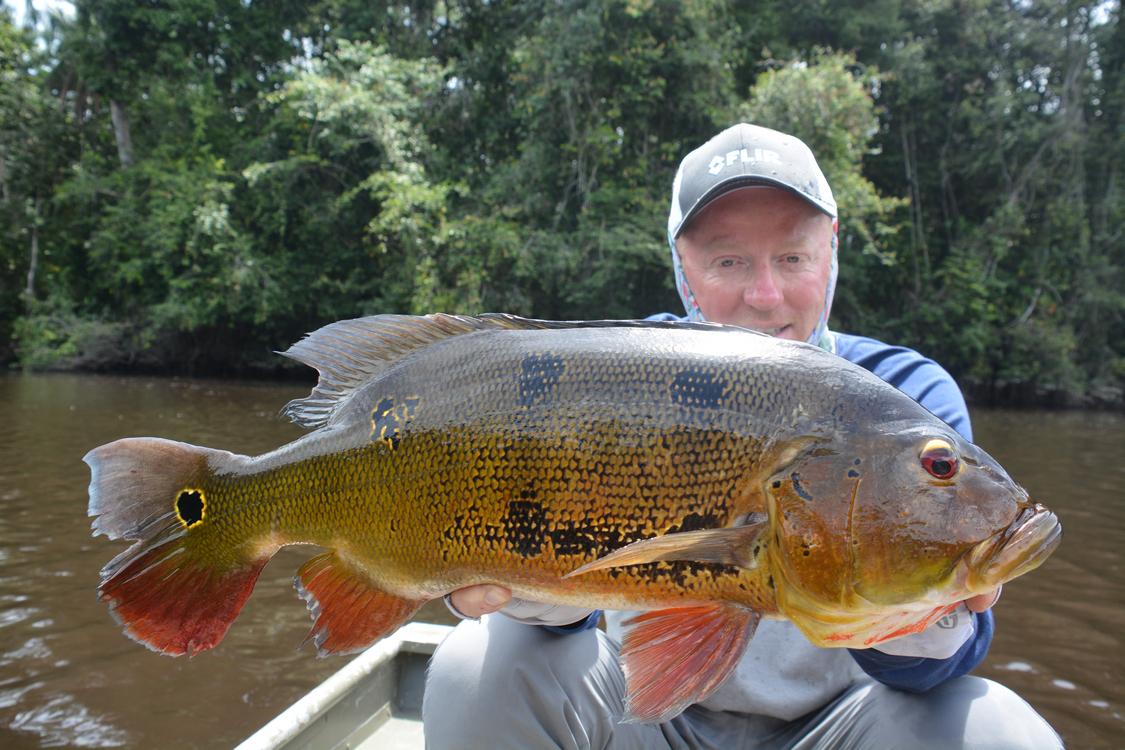
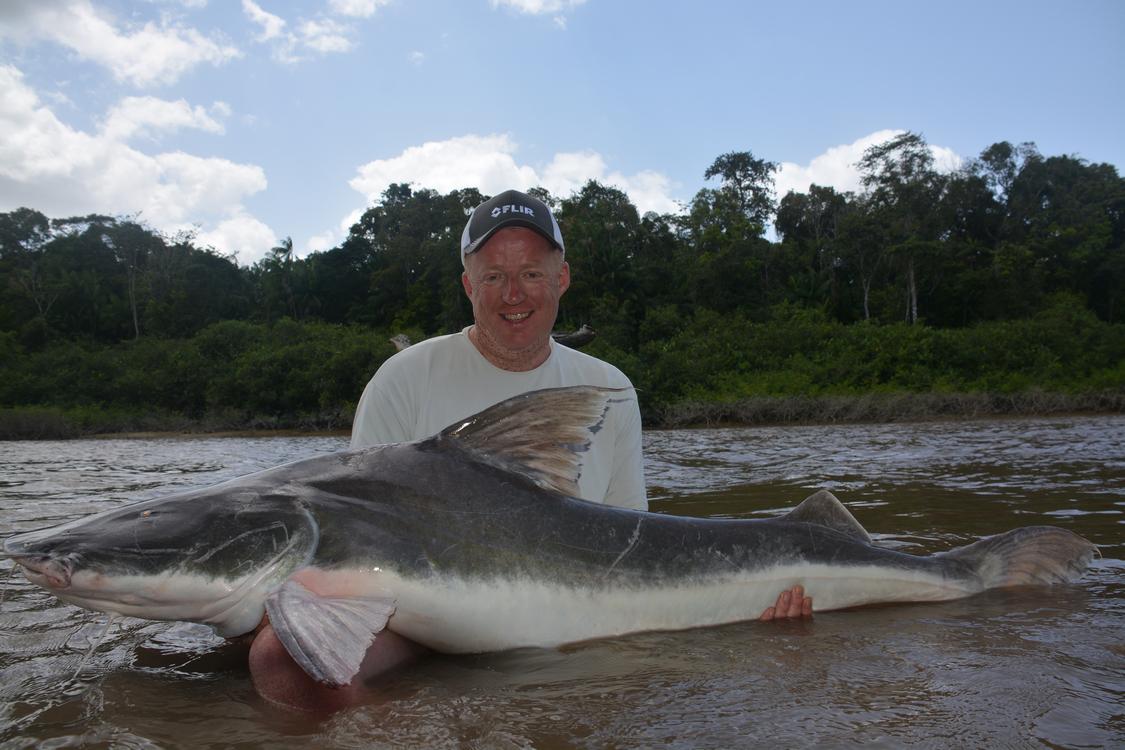
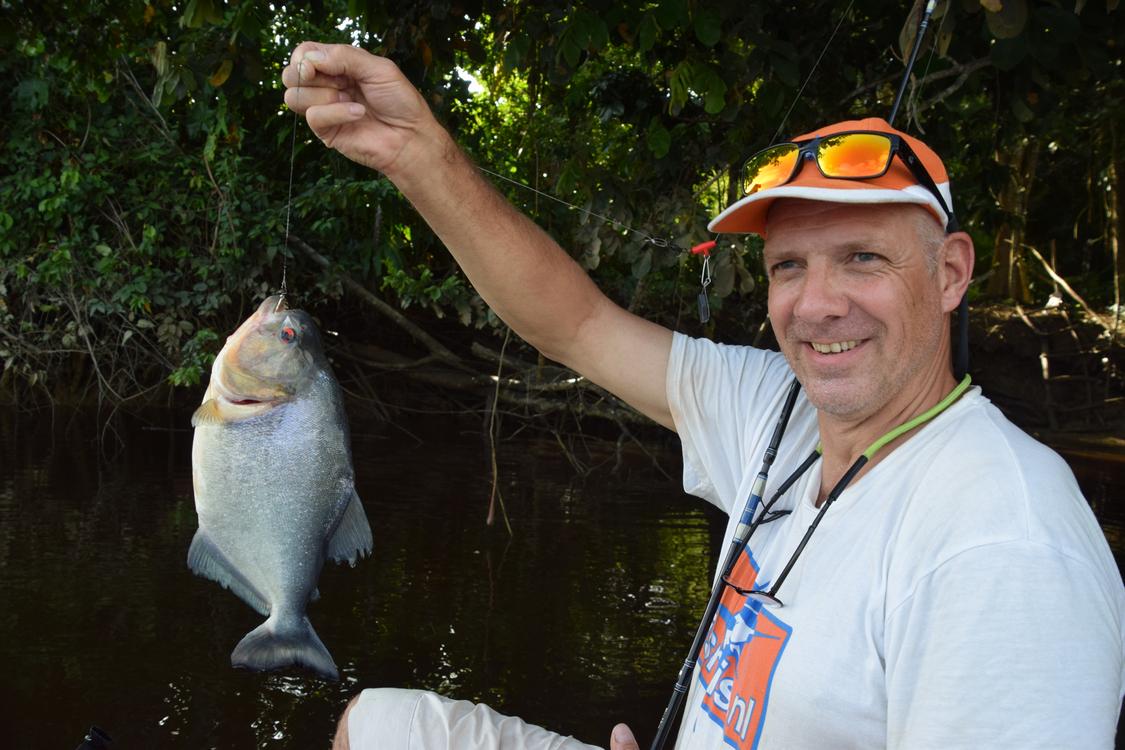
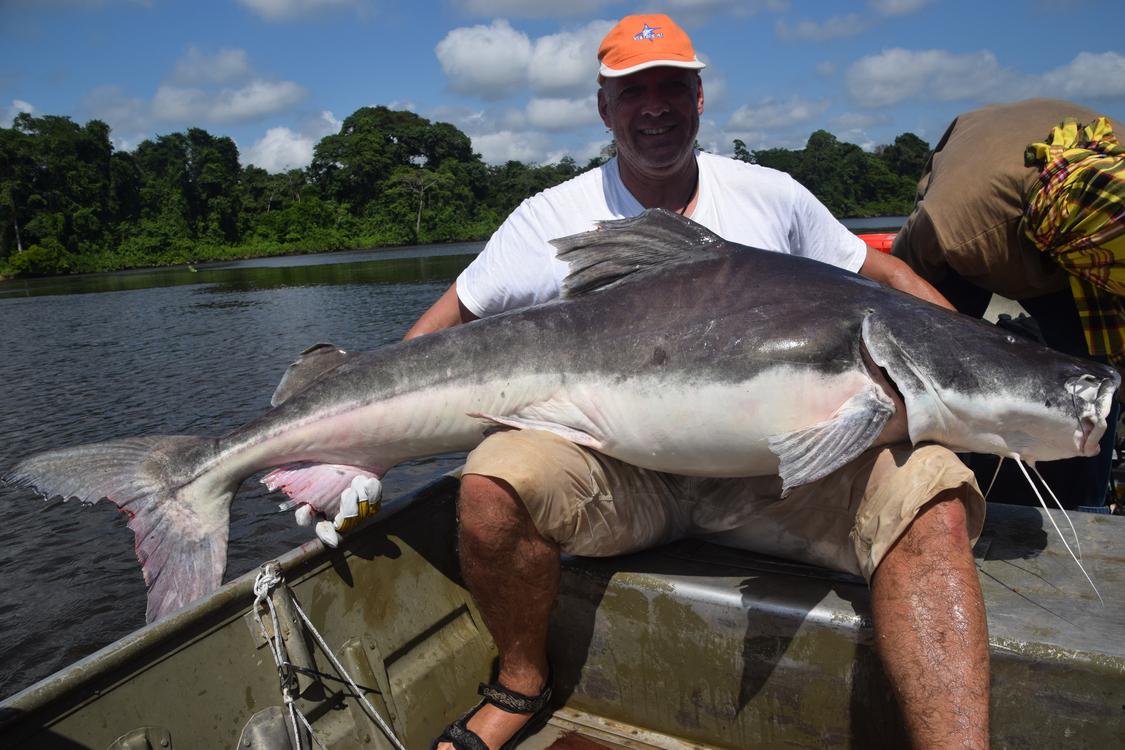
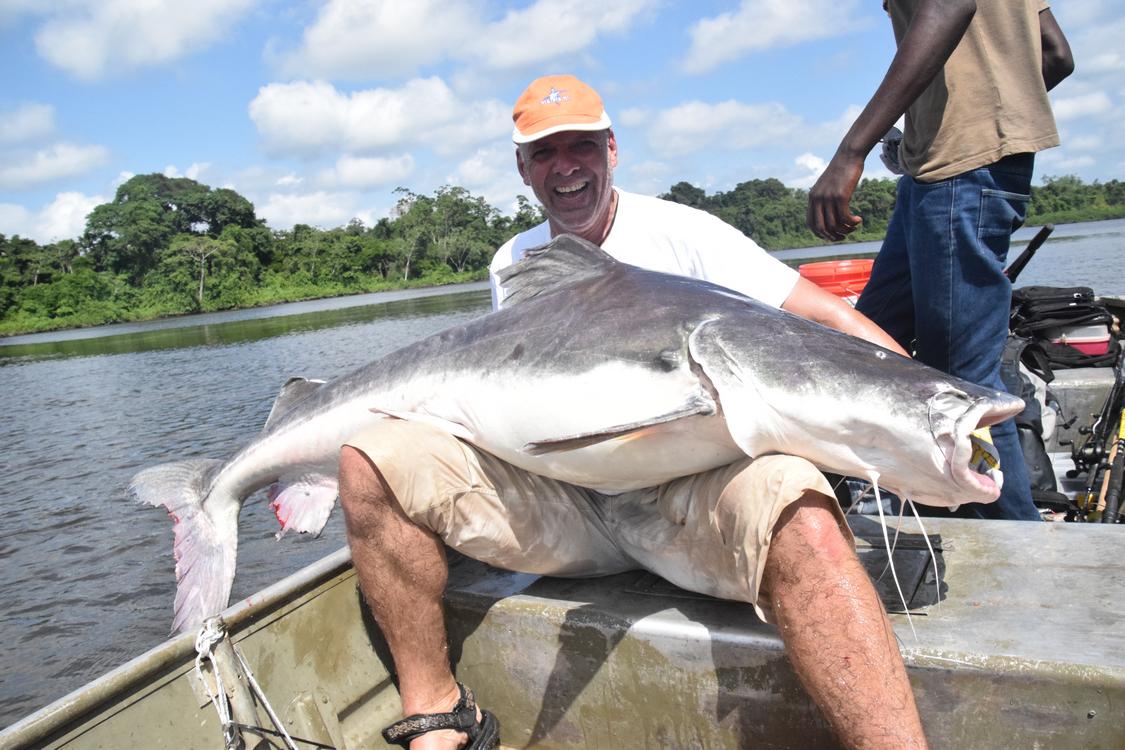
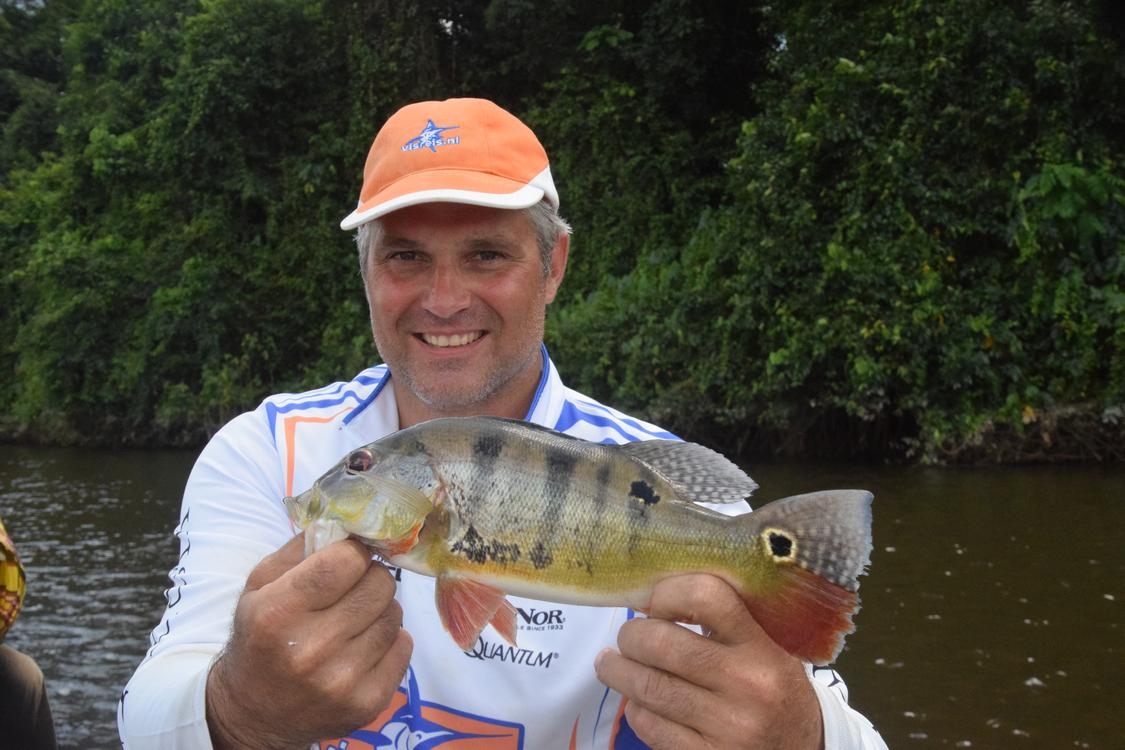
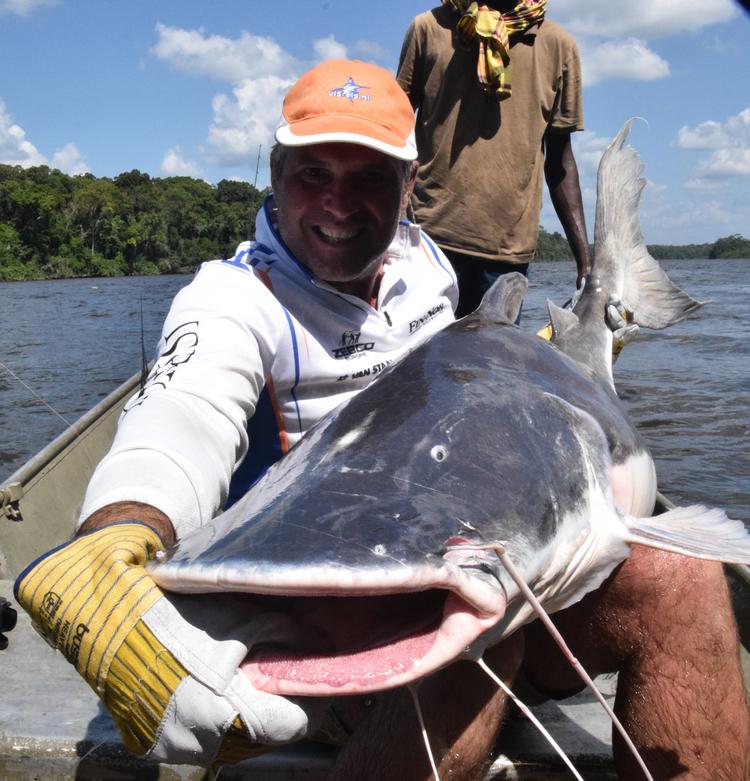
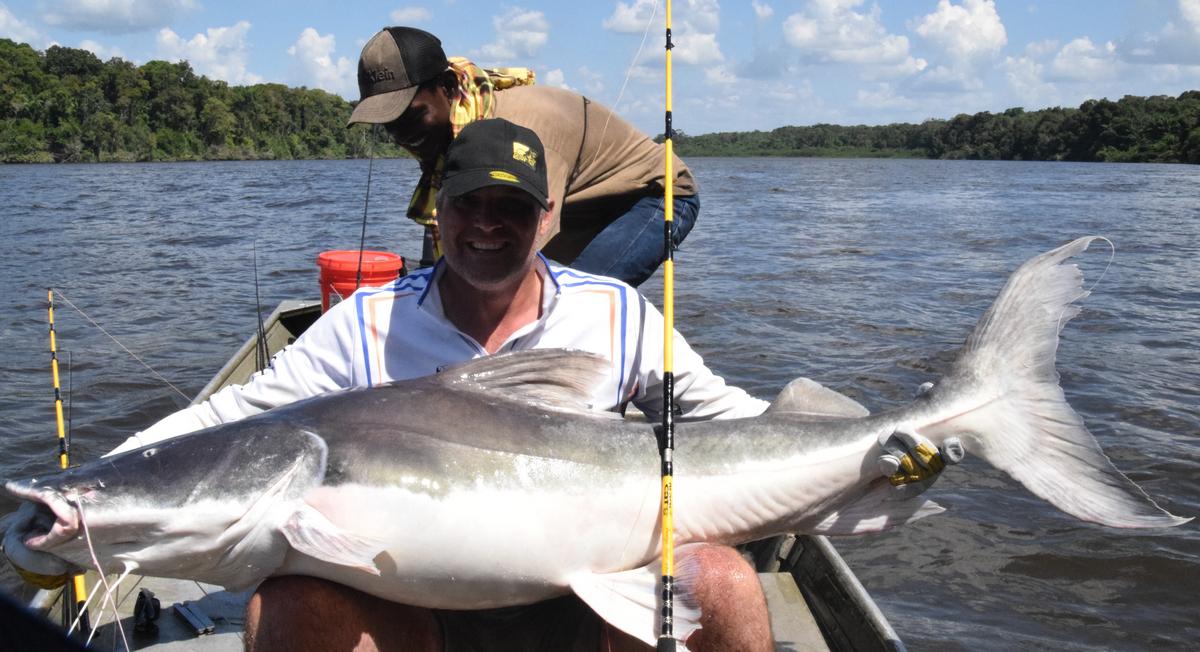
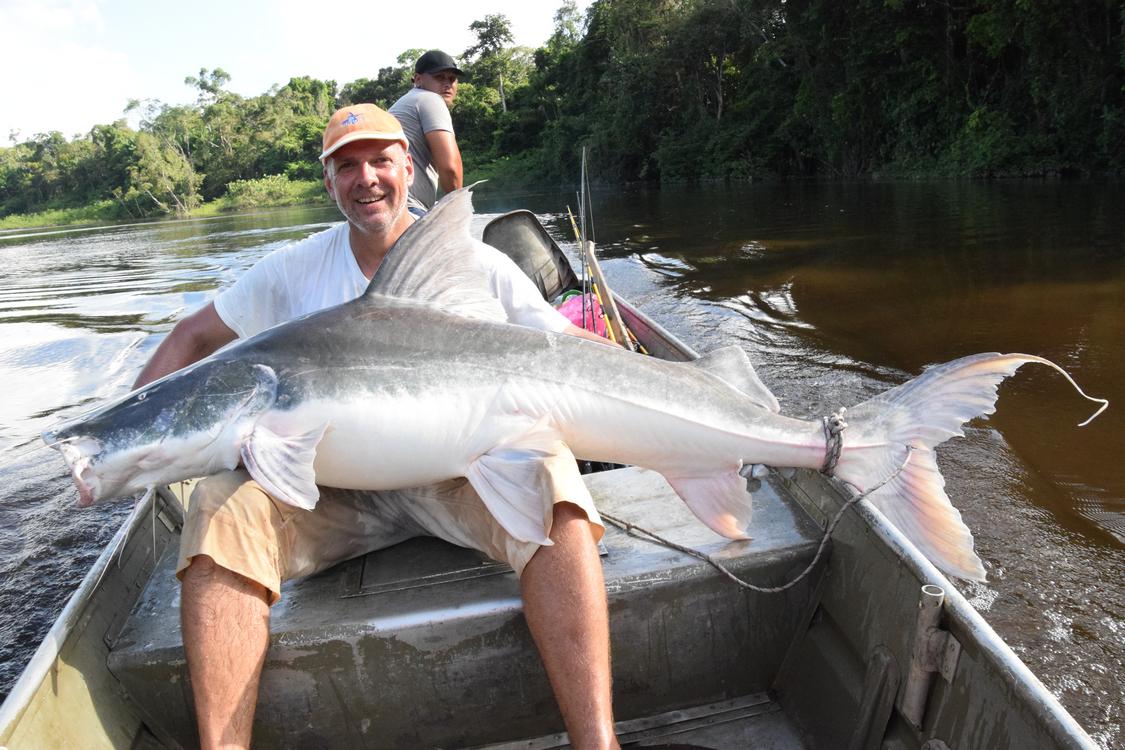
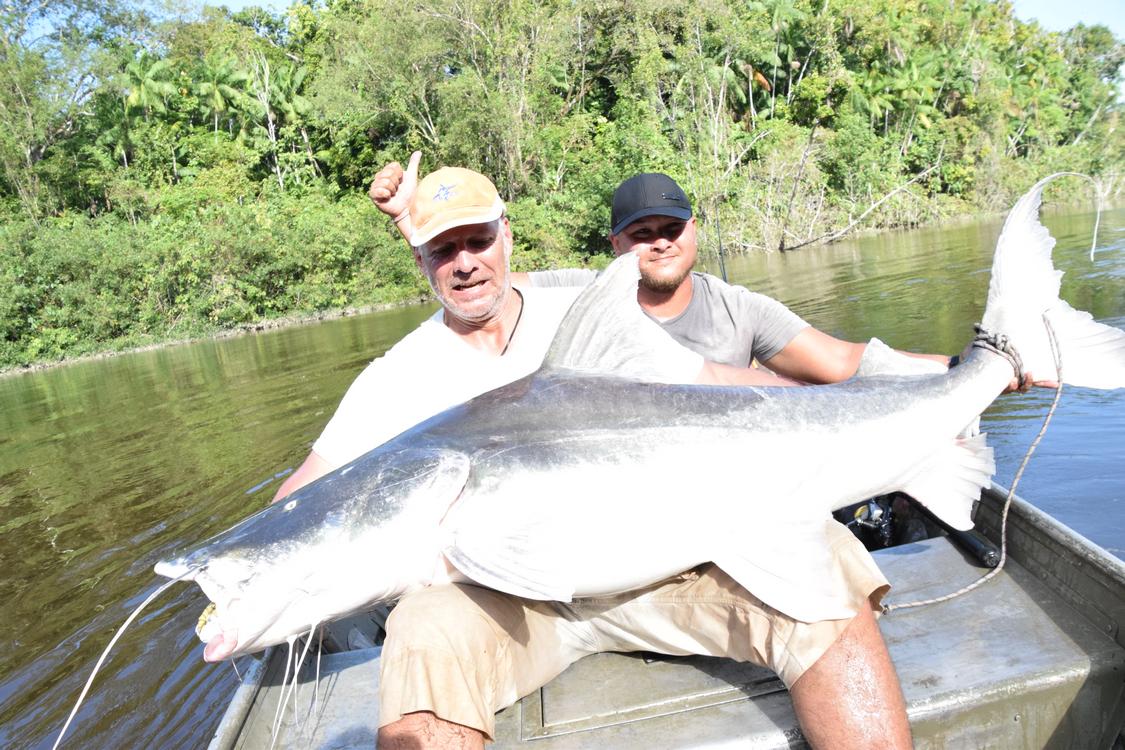
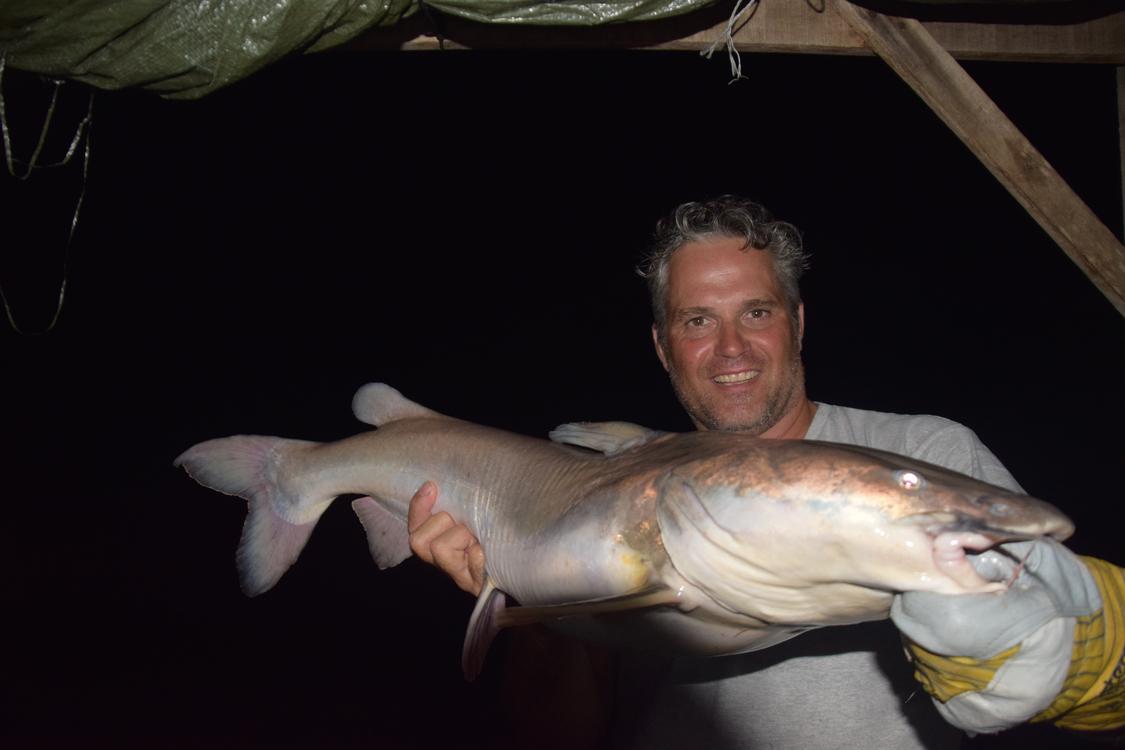
A large number of species of birds, reptiles and mammals inhabit these forests, as well as the coastal strip. It is therefore a feast for the eyes to stay here and encounter several of these species during your fishing trip. Some examples are the various monkeys, caimans and large numbers of birds. But not only above water there is an exuberant fauna. Also in the water there are mostly very large species: piraiba (also called Lau-Lau), tarpon, anjoemara (wolf fish), tiger catfish, electric eel, peacock bass, red tail, piranha, koebi etc. Actually too many to mention but the focus for this fishing trip is on the piraiba, tarpon and the bycatch of the smaller species. This is the ultimate fishing in Suriname.
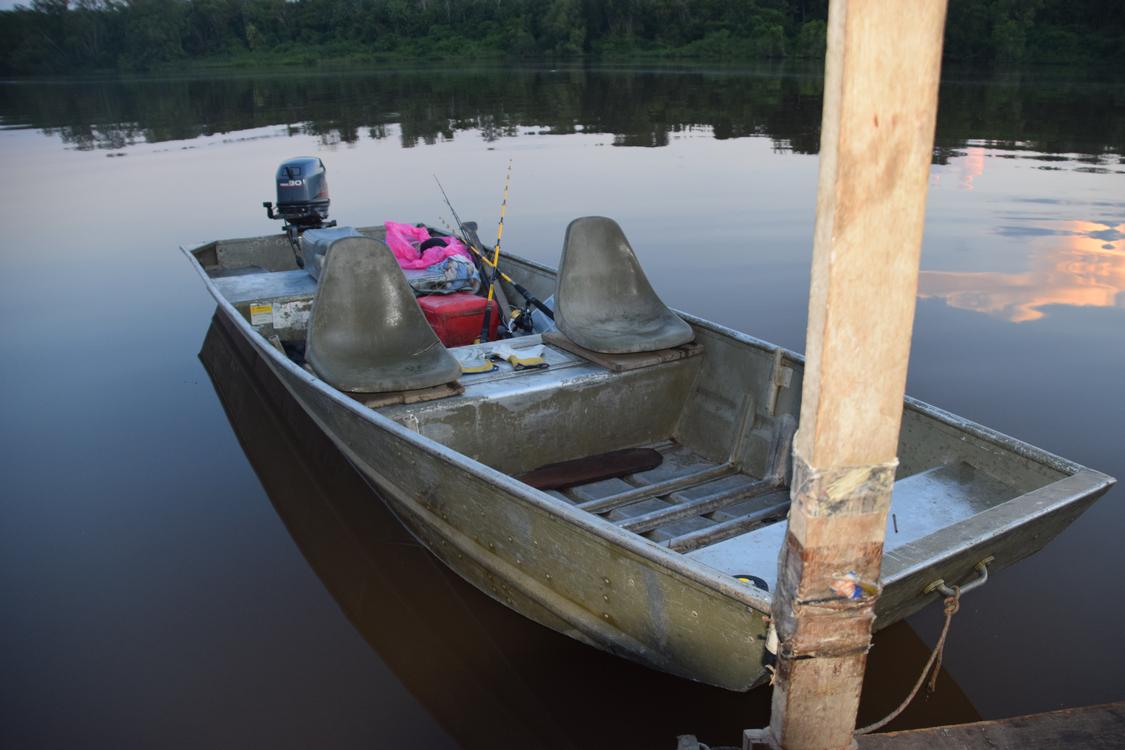
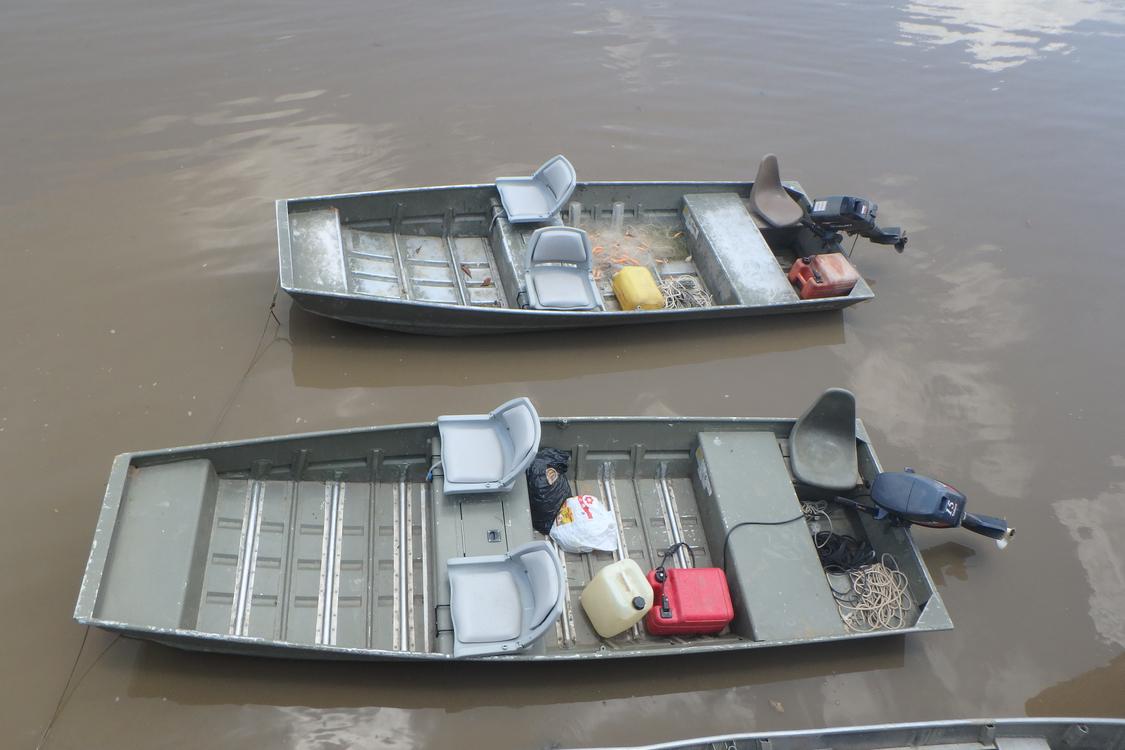
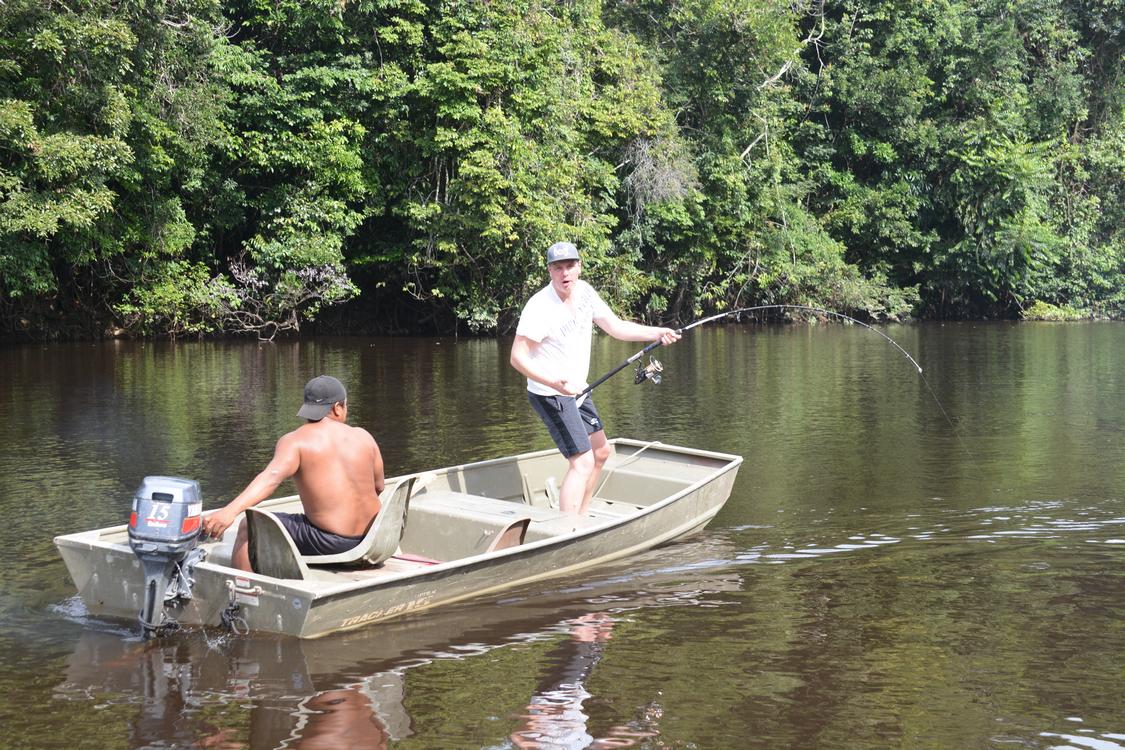
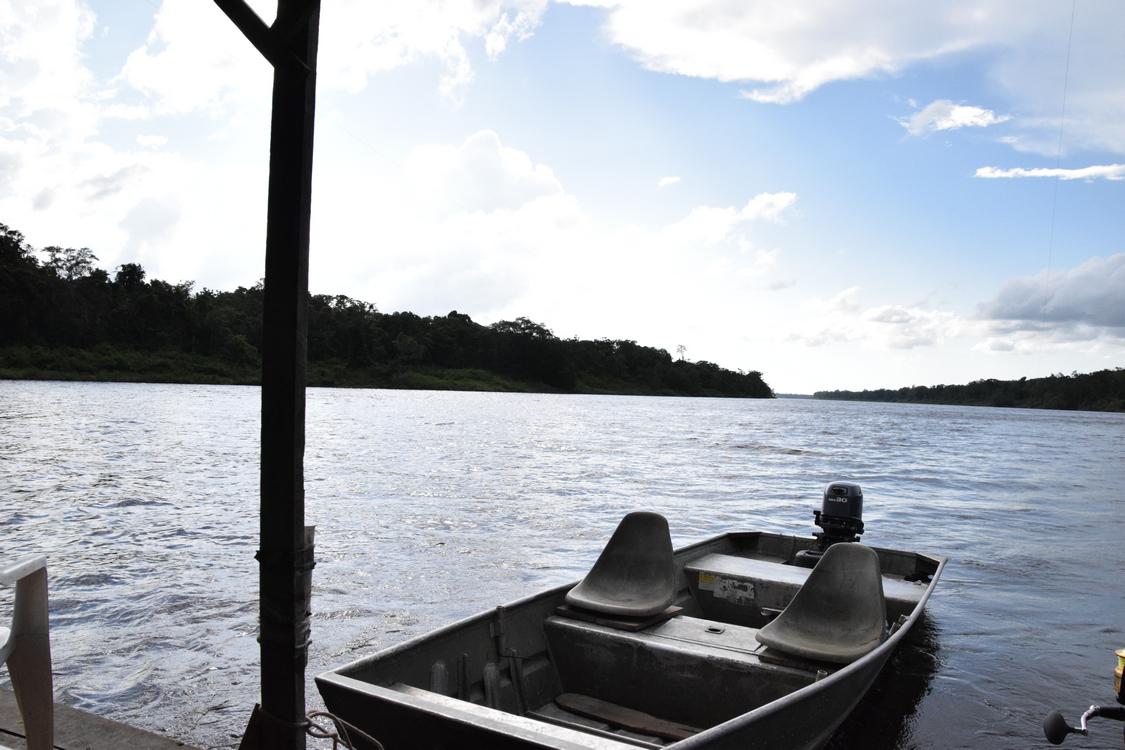
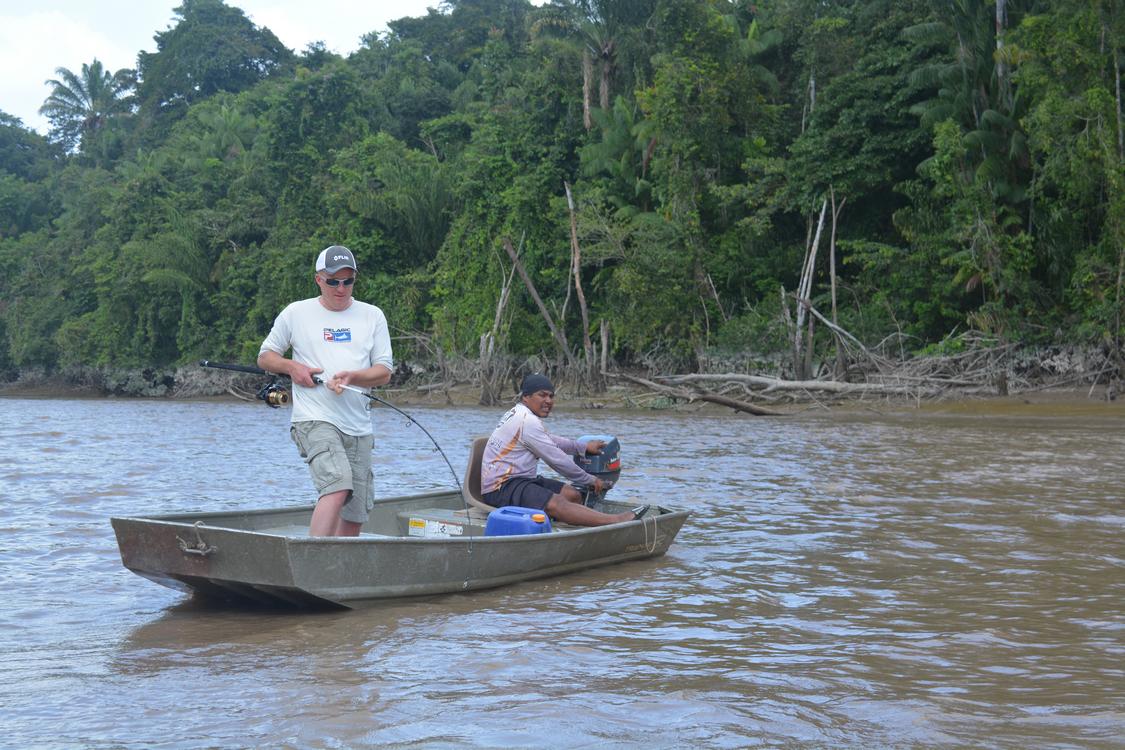
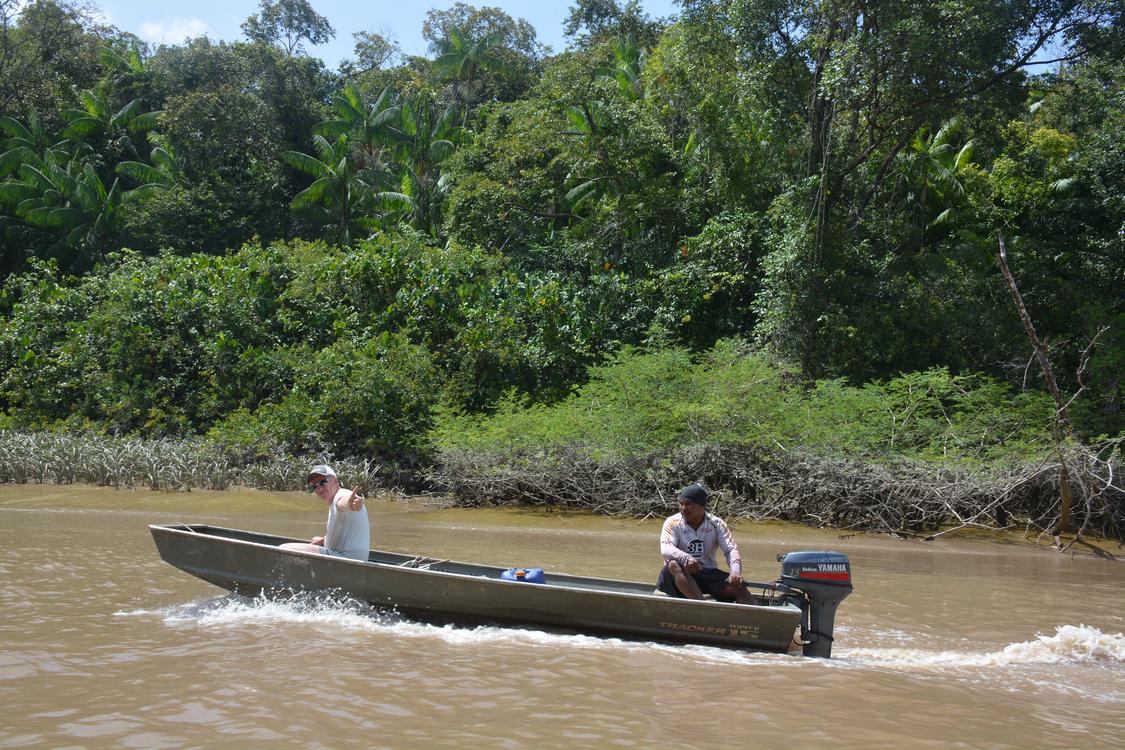
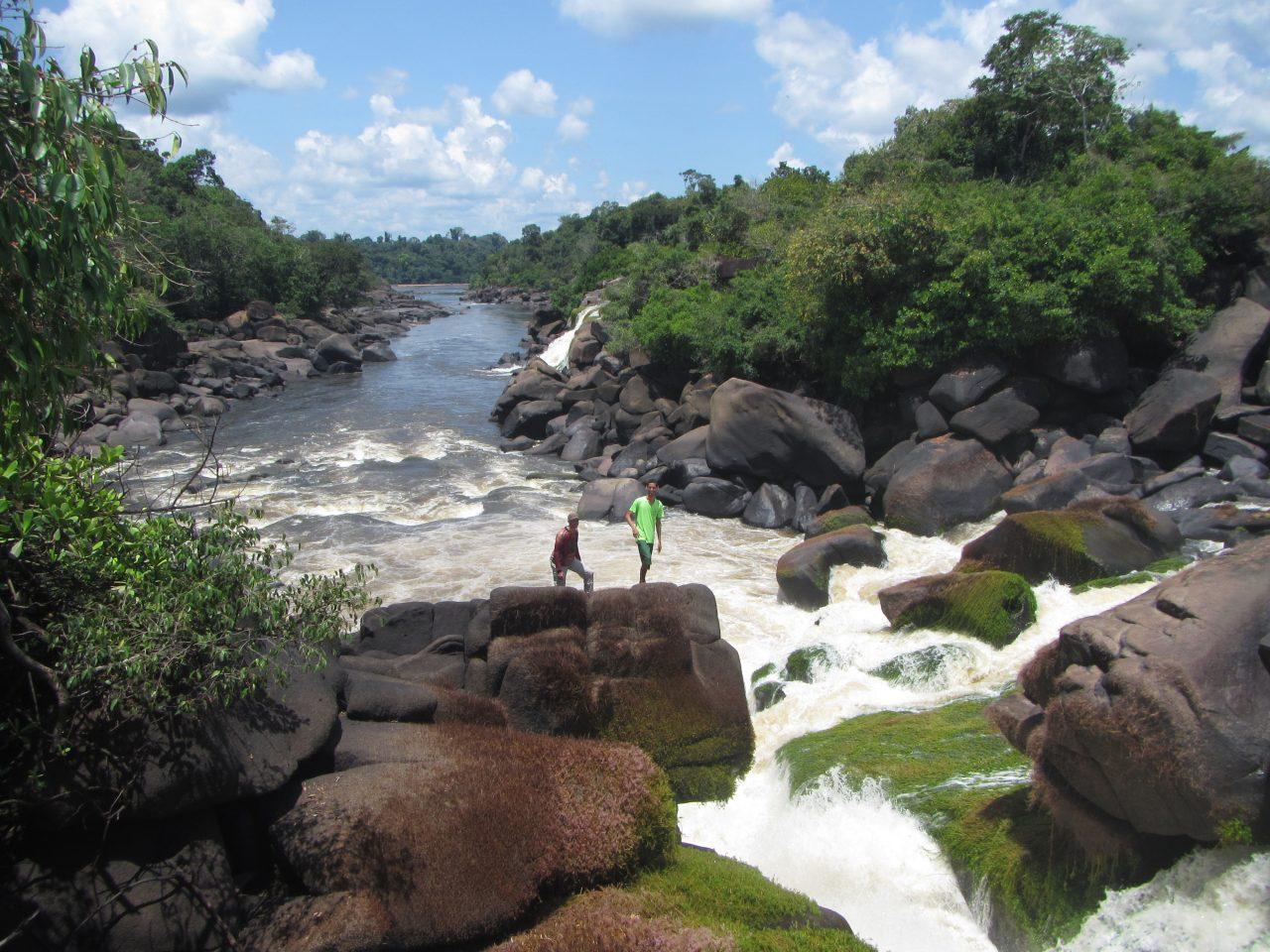
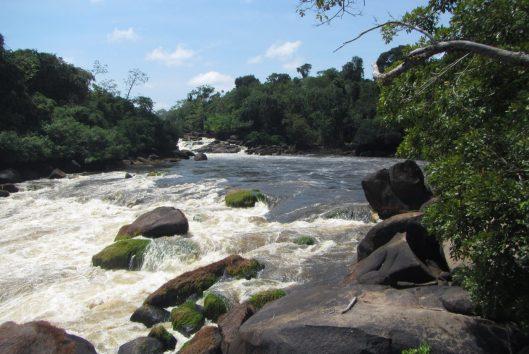
Wonotobo waterfalls: aimed at capital lau lau and red-tailed catfish. From the comfortable basecamp you will take a daily 15 foot boat with 15 HP engine, 2 anglers and 1 guide to explore this large area. Other species here are peacock, tiger catfish piranha, electric eel and sometimes anjoemara and tarpon.
Day 1 arrival in Paramaribo and transfer to hotel River Breeze in Nickerie. Day 2 full day transfer to Nickerie and guesthouse at the Wonotobo Falls (Average 10 hours sailing) Day 3, 4, 5, 6, 7 and 8 fish Day 9 transfer to Nickerie / Paramaribo and depending on flight schedule hotel or flight home. Day 10 arrival at home
The exact number of fishing days depends on how fast the outward and return journey from Nickerie to the lodge takes. Normally at high and normal tide it is around 10 hours and therefor 1 day sailing and at low tide it can take a day and a half. More days fishing is also possible
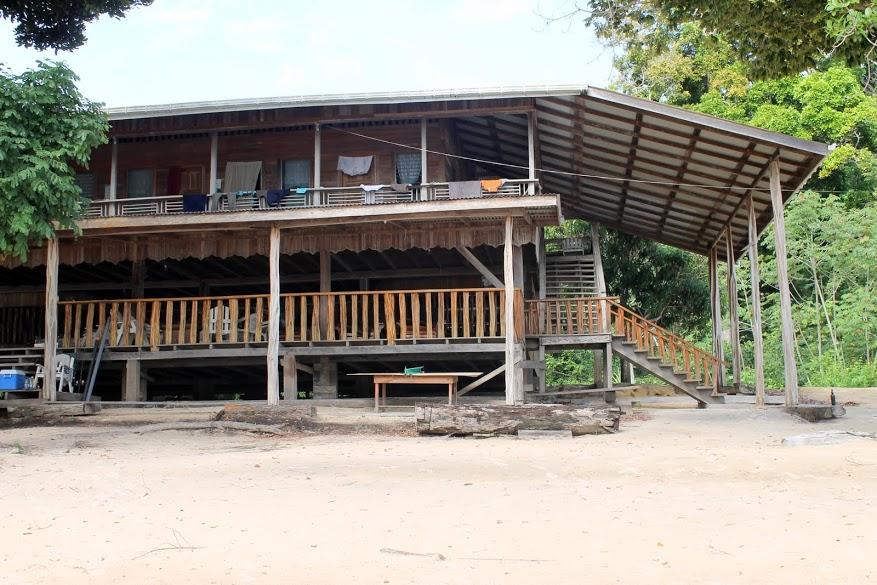
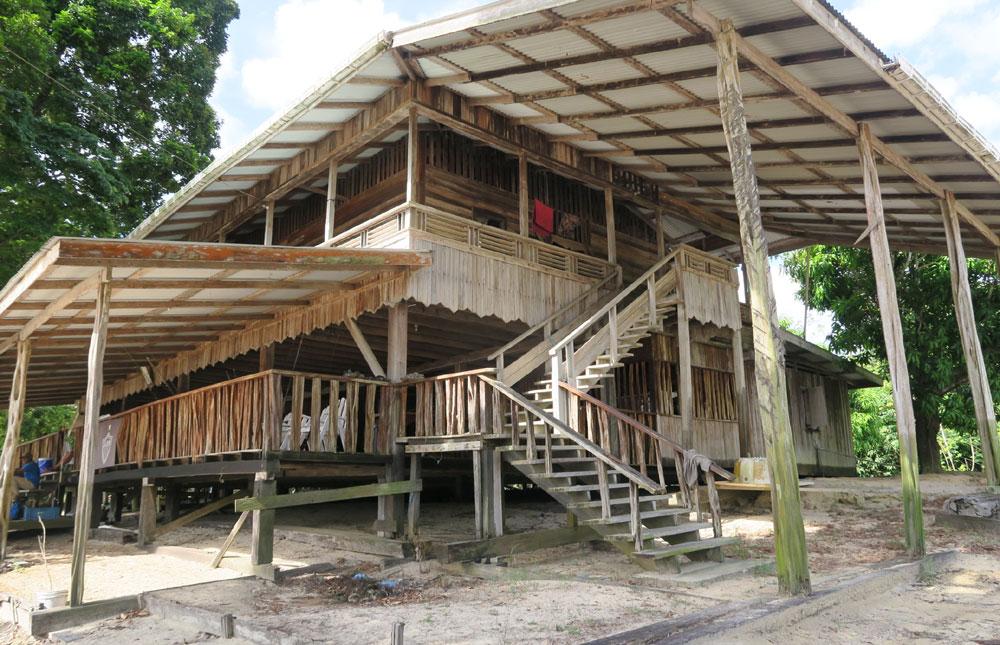
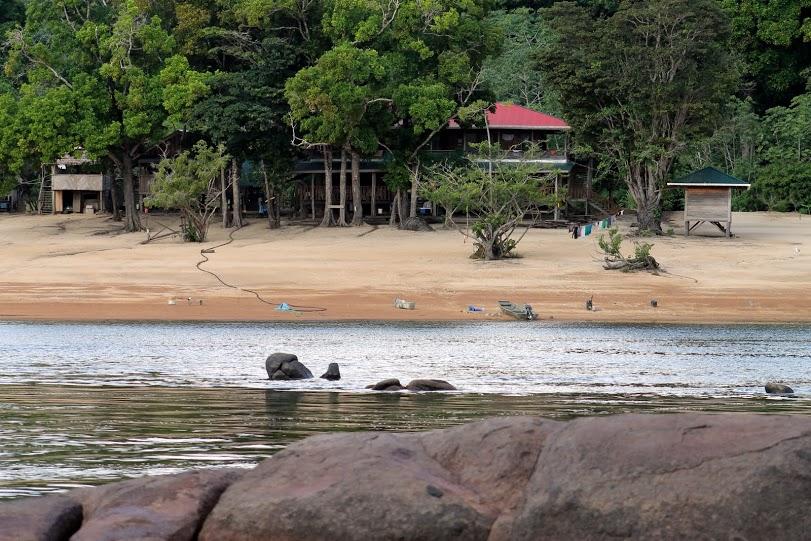
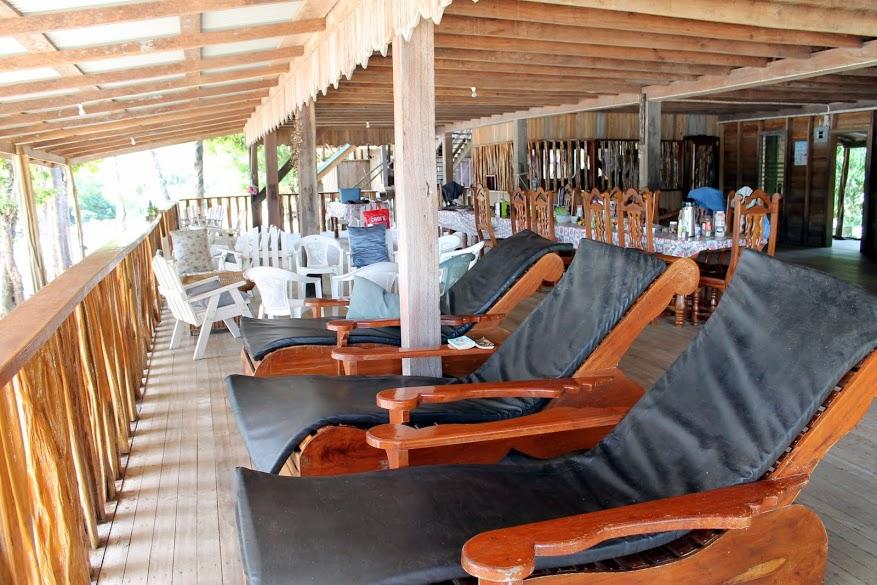
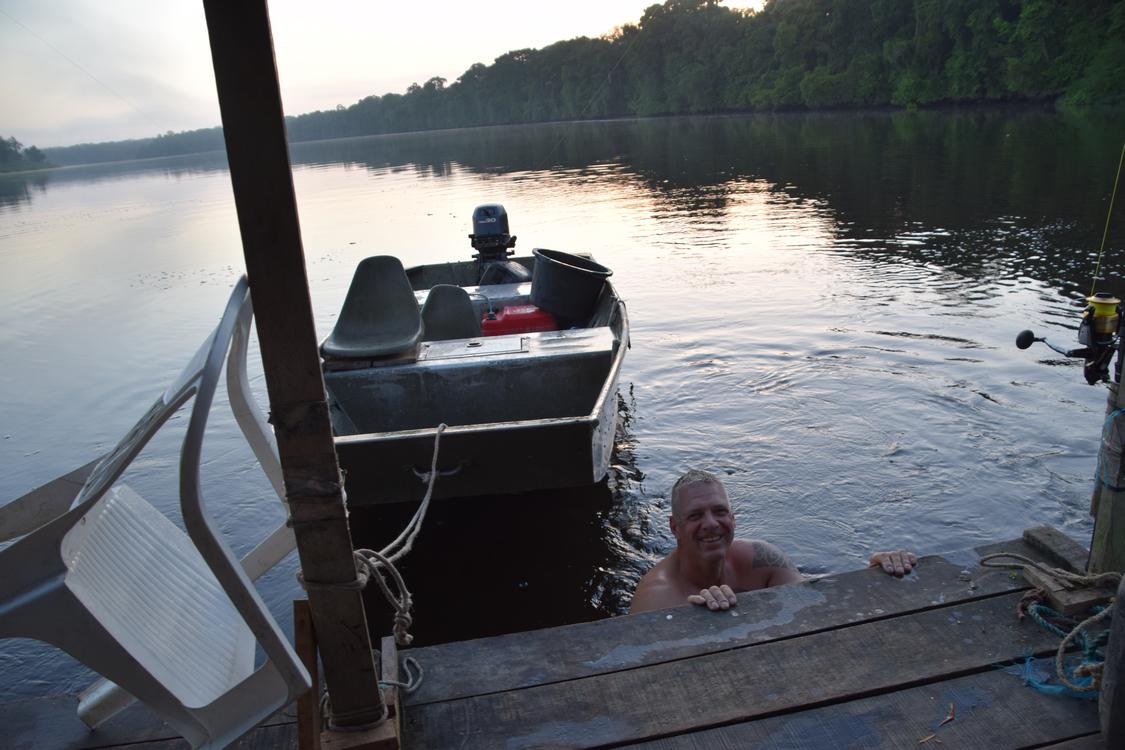
The landbased tours that are realized from the Wonotobo Falls have a comfortable fishing camp at the Wonotobo Falls as a base camp. The fishing camp has a relaxed set up and is equipped with camp beds with mosquito nets. In both stays there is no running water and the bucket is your shower! In other words: it is a real adventure in every way. In the camp there is a generator in the evening which is turned on to generate electricity but since your phone has no reception in the fish camp near the waterfalls and beyond it is only necessary to charge the photo camera.
During your stay all meals, water, soft drinks, coffee and tea are included. The meals consist of pasta, potato, beef, chicken and pork. Breakfast includes bread, eggs and cold cuts. In other words, you won't be short of anything here. If you want to bring beers or soft drinks it is possible to get them in the supermarket on your way from the hotel to Nickerie. These costs are personal and extra.
You will need to bring your own equipment for fishing. For the lau lau and tarpon it concerns very solid catfish rods, popper rods or 30 lbs boat rods. The lau lau can reach 100 kilo here so you need a rod with a serious backbone. The casting weight is from 150 to 250 grams. Think for example of the Hart Wild Pop 3 or Sensicast. In combination with a strong baitrunner reel like the Shimano Baitrunner 12000 with braided line of 50 kilos breaking power. If you get a strike, you have a good chance that the fish will look for the underwater branches and trees. Then a strong main line is very important. At the Wonotobo waterfalls we use an extra 20 to 25 meters of nylon to tackle any abrasions along the rocks.
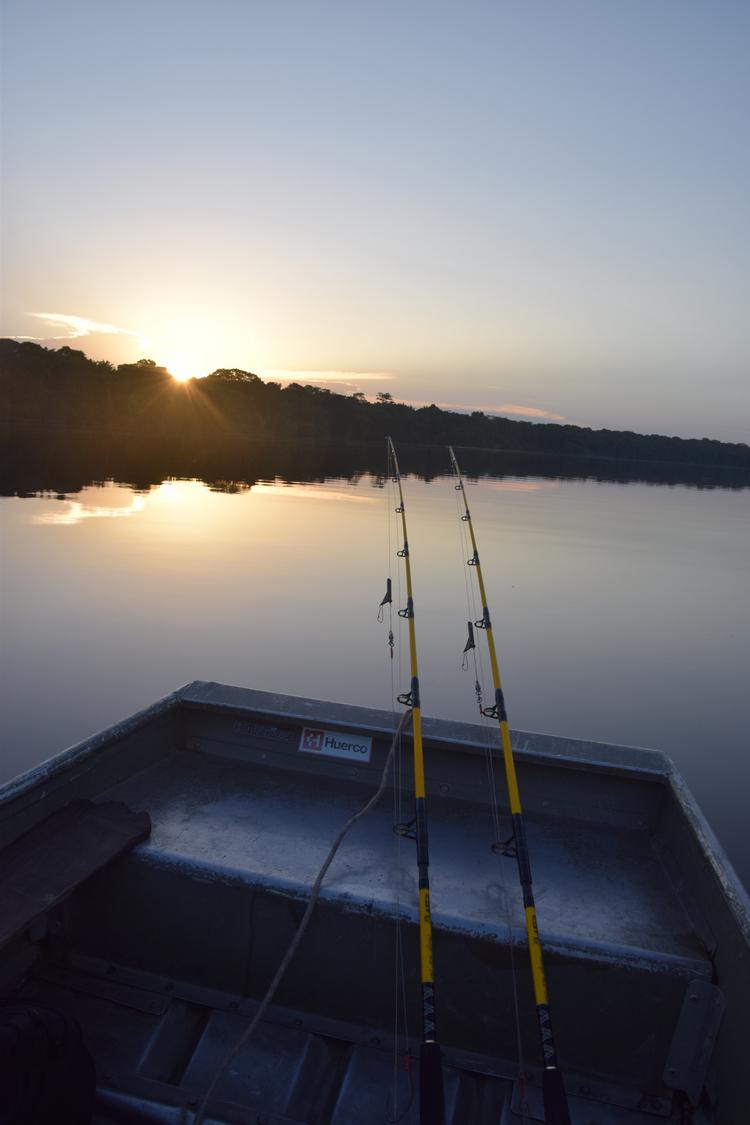
You fish with a maximum of 2 rods at a time because the current of the river makes it no use to fish with more rods at the same time, the lines will then always end up together. In addition to the targeted fishing for the large species and the very heavy rods, it is wise to take a solid bass rod with a 5000 reel and dyneema of 20 kilos breaking force. And a spinning rod around 30 - 70 grams and a baitcaster for the smaller species. At the pontoon there is an aluminium boat of 15 feet with 15 HP engine available per two anglers. This is used, among other things, to chase large fish and to be able to drill them in a perfect way. The strikes of the big fish as lau lau and tarpon are often during the tidal changes. In the other periods you can take the aluminium boat out on small side branches of the river to look for the other and slightly smaller predators.
The leaders are simple to setup: on the main line you place a zip slider with, depending on the current, 100 to 300 grams of lead. On the main line you mount a bead to protect the knot and then a swivel of at least 100 kilos breaking force. On top of that the kevlar or coated steel leader of 60 to 90 cm and the bait rig to present the baitfish. Also handy is to bring a good bite detector. That will make your life a lot easier. Especially if you want to sleep in between or at night. As bait we use local smaller fish or heads of them. These are all caught and provided locally.
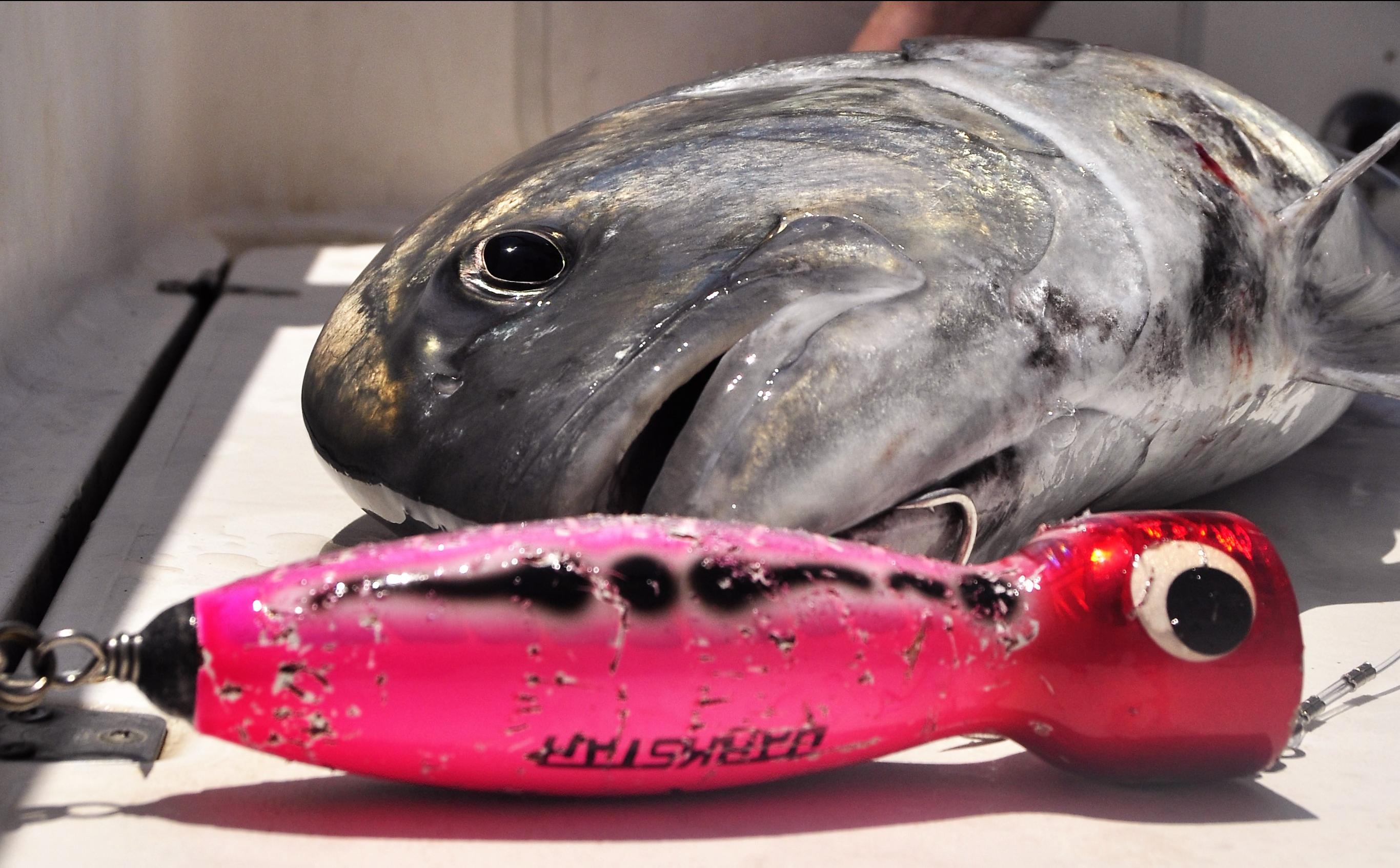
In addition to static fishing for the large species during the current period of the tidal changes, in the quiet period you can go out with the 15 foot aluminium fishing boat with 15 HP engine that is present at each fishing camp. This boat is used in case of a strike of a large fish in order to be able to sail behind it and drill the fish well. But in quiet times they are perfect for fishing for 'smaller' species. Use a medium spinning rod of 40 to 80 grams and different types of lures. Think of poppers, lures, crankbaits, blinkers, shads, jerks and so on. But also a single hook with a float and piece of fish is very effective. Species such as piranha, catfish, peacock, electric eel, red tail etc give this set a serious fight and super sport.
There are two dry periods in Suriname
The small dry season: mid January till the end of April. The big dry season: mid-August to early December
Now these are not 'dry periods' in which there is no rain. It still only falls considerably less than in the rainy periods. So the raincoat can still be useful in the 'dry periods'. These are the two periods in which this fishery is best.
The fishing periods are as follows:
Coppename from August to March Wonotobo + jungle from June to February
You fly to Paramaribo and after arrival your transfer awaits to the Eco Resort Inn where you will stay the first night. Our local guide will pick you up early in the morning the next day after breakfast and will take you with his car to the pick-up point for the boats and your fishing location.
The boats will then take you directly upstream to the fishing camp in question. This depends on which fishing you want to do a 4 hour trip to the houseboats and 10 hours to the Wonotobo basecamp by boat. In this way you will arrive at the desired location where you can set up and go fishing.
The prices for this trip are as follows:
Wonotobo 10 days 2 persons 2825 euro pp 3 persons 2655 euro pp 4 persons 2555 euro pp
These amounts are per person, in euros. More or less days is possible and can be arranged, excluding flights. This includes: the first night in the eco resort inn, transfer to and from the fishing locations, fishing guide and cook in the camp / houseboat, all meals, drinks (water, tea and coffee) fishing guidance and fuel for the fishing boat.
Additional costs: flight to Suriname, tip for the crew, meals outside the fishing camp and any extra drinks purchased before departure as cola, beer, etc. To undertake this trip you need to have a passport that is valid for another 6 months from the day after returning home. Before arrival you need to buy an online entry fee of € 25,- per person.
Just to be on the safe side, call your doctor to arrange any vaccinations or malaria prophylaxis. In Suriname 2 different types of electricity plugs are used. Usually they are the same as in Europe, but just to be on the safe side, it is wise to bring an adapter. Suriname has a high humidity of 80 % and higher. So pay attention to cameras and lenses. Let the material acclimatize well before you change lenses. Despite regular showers, it is necessary to use a lot and strong sunscreen. The sun has a UV factor of 10 in all months of the year.
The average tip for a week of fishing is around 50,- euro per fisherman for the whole crew. You should also bring a towel, sunglasses, fishing cap, long-sleeved t-shirt, light detachable trousers, water shoes, headlamp and raincoat.]